There's something deeply satisfying about the gentle thumps of warm herb-filled pouches rhythmically working their way across your tired muscles. Potli massage, an ancient Ayurvedic therapy that's been practiced across India for centuries, has found a devoted following right here in Nashik. And honestly, given our city's hot summers and the physical toll that vineyard work or desk jobs take on locals, it makes perfect sense why this treatment has become such a favorite at spas across the city.
Whether you're dealing with stubborn muscle pain from those long hours at the industrial estates or simply looking for a way to unwind after navigating Nashik's increasingly busy streets, potli massage offers something unique that standard massage techniques can't quite replicate. The combination of heat, herbal medicine, and targeted pressure creates a therapeutic experience that feels both traditional and surprisingly modern in its effectiveness.
What Exactly Is Potli Massage?
Potli massage gets its name from the Hindi word "potli" meaning pouch or bundle. The treatment involves heating small cloth pouches filled with therapeutic ingredients — typically a combination of dried herbs, medicinal powders, rice, or special oils — and then using these warm bundles to massage your body in circular and rhythmic motions.
The technique itself is rooted in Ayurveda, the traditional Indian system of medicine that's been practiced for over 3,000 years. But don't let the ancient origins fool you into thinking this is some outdated therapy. Modern spas in Nashik have refined the practice, carefully selecting herb combinations based on your specific needs and maintaining precise temperature controls for maximum comfort and effectiveness.
What makes potli massage particularly interesting is how the treatment adapts based on your condition. Some therapists use dry potlis for inflammatory conditions, while others prefer oil-soaked bundles for pain relief and muscle relaxation. The most common herbal ingredients you'll find in Nashik spas include turmeric, neem, ajwain, rock salt, and various traditional herbs sourced from the Western Ghats region.
Different Types of Potlis You'll Encounter
Walk into any established spa offering potli massage in Nashik, and you'll likely be presented with options. Jambeera potlis contain lemon and herbs — excellent for addressing muscle soreness. Pinda potlis use rice cooked in herbal decoctions, particularly effective for joint problems. Then there are the Navara potlis made with a special medicinal rice variety that's especially good for rejuvenation.
The choice depends on what you're trying to achieve. Got that nagging lower back pain from sitting all day at the office? They'll probably recommend an ajwain-based potli. Dealing with joint stiffness that gets worse during Nashik's monsoon season? A rice potli with anti-inflammatory herbs might be your best bet.
Benefits That Go Beyond Basic Relaxation
Sure, any massage feels good in the moment. But potli massage delivers benefits that linger well after you leave the spa. The heat from the pouches helps dilate blood vessels, improving circulation throughout your body. This increased blood flow brings more oxygen and nutrients to your tissues while helping flush out toxins and metabolic waste.
Many of my friends who work in Nashik's manufacturing sector swear by regular potli sessions for managing chronic muscle pain. The combination of heat therapy and herbal medicine provides relief that standard pain medications often can't match — without the side effects. The herbs penetrate through your skin, delivering their therapeutic compounds directly to affected areas.
Joint mobility is another major benefit. If you've noticed your knees or shoulders feeling stiff (especially common during the cooler months here), the warmth and gentle pressure of potli massage can significantly improve your range of motion. Athletes and yoga practitioners in Nashik increasingly include this treatment in their recovery routines.
Specific Conditions Potli Massage Can Address
- Arthritis and joint pain: The heat reduces inflammation while herbs like nirgundi provide natural pain relief
- Sports injuries: Accelerates healing and reduces recovery time between training sessions
- Frozen shoulder: Particularly effective when combined with acupressure techniques targeting specific meridian points
- Lower back pain: Common among drivers and office workers, responds exceptionally well to targeted potli therapy
- Stress and anxiety: The rhythmic tapping creates a meditative effect that calms your nervous system
- Sleep disorders: Regular sessions help regulate your body's natural rhythms
- Poor circulation: Especially beneficial during summer when heat can cause swelling in extremities
The treatment also works wonders for skin conditions. The herbal properties combined with the detoxifying effects of sweating can help with issues ranging from dryness (common in Nashik's summer heat) to certain inflammatory skin conditions.
What You Should Expect During Your Session
Your first potli massage might feel a bit different from other treatments you've tried. Most sessions in Nashik spas last between 45 to 90 minutes, depending on whether you're getting a full-body treatment or focusing on specific problem areas.
The therapist typically starts by warming the potlis in oil or herbal decoctions, bringing them to the ideal temperature — hot enough to be therapeutic but not uncomfortably so. They'll test the temperature on their own skin first, then check with you before beginning. Don't hesitate to speak up if something feels too hot. Good therapists appreciate the feedback.
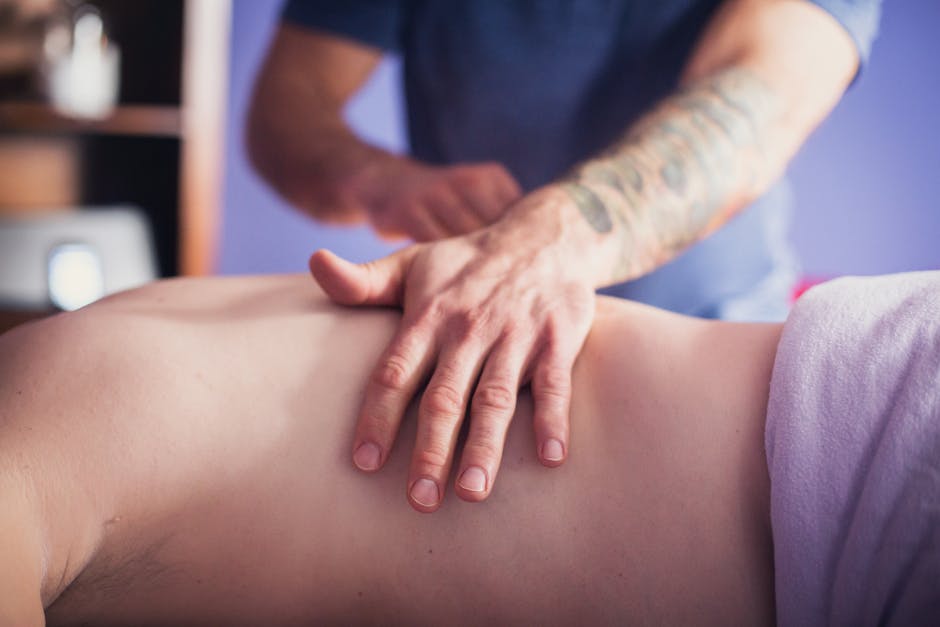
The massage usually begins with some gentle oil application to prepare your skin. Then comes the main event: the therapist uses the warm potlis in a combination of tapping, circular motions, and sustained pressure on specific points. The rhythm is almost hypnotic. Many people find themselves drifting into a deeply relaxed state, somewhere between waking and sleeping.
As the session progresses, you'll notice the therapist periodically reheating the potlis to maintain consistent temperature. They'll focus extra attention on problem areas — those knots in your shoulders, that tight spot in your lower back — using different pressure levels and movement patterns to release tension.
After the Treatment
Expect to feel pleasantly loose and maybe a bit drowsy afterward. Many Nashik spas offer herbal tea post-treatment to help with hydration and extend the detoxifying benefits. Take your time getting up — rushing can make you feel lightheaded since your blood pressure drops during the massage.
You might notice some redness on your skin where the hot potlis were applied. This is completely normal and typically fades within a few hours. Some people experience mild muscle soreness the next day, especially after their first session. Think of it like the feeling after a good workout — your body is responding to the deep tissue work.
Choosing the Right Spa for Potli Massage in Nashik
Not all potli massages are created equal. The treatment's effectiveness depends heavily on the therapist's training, the quality of herbs used, and the spa's overall approach to Ayurvedic practices. Here's what to look for when selecting a provider in Nashik.
First, ask about their therapists' qualifications. Proper potli massage requires specific training in Ayurvedic techniques, not just general massage therapy certification. Reputable spas will happily discuss their staff's credentials and experience. The best practitioners often have formal Ayurvedic education from recognized institutions.
Herb quality matters more than you might think. Cheaper spas sometimes cut corners with old or low-grade ingredients. The difference is noticeable — fresh, properly sourced herbs have stronger therapeutic properties and more pleasant aromas. Don't be shy about asking where they source their herbs and how frequently they replace them.
Price Points and What They Mean
In Nashik, you'll find potli massage ranging from ₹800 to ₹3,500 per session. The variation isn't arbitrary. Basic treatments at smaller establishments typically run ₹800-1,200 for 45 minutes. These can be perfectly adequate if you're primarily after relaxation and the therapist is competent.
Mid-range options (₹1,500-2,000) usually offer better herb quality, more experienced therapists, and nicer facilities. This is the sweet spot for most people seeking therapeutic benefits. Premium spas charge ₹2,500-3,500 but provide customized herb combinations, longer sessions, and often include complementary treatments like steam baths.
My recommendation? Start with a mid-range provider. If you're dealing with specific medical conditions or chronic pain, it's worth investing in the higher-end options where therapists can tailor the treatment more precisely. For general wellness and stress relief, mid-range services typically deliver excellent results.
Red Flags to Watch For
Avoid spas that can't explain their herb combinations or seem vague about ingredients. Similarly, be cautious if they're pushing potli massage as a cure-all for serious medical conditions — it's therapeutic, yes, but not a replacement for proper medical care.
Hygiene is non-negotiable. The treatment room should be clean, linens freshly laundered, and potlis prepared fresh for each client. If you notice reused pouches or questionable cleanliness, walk out. Nashik has enough quality options that you don't need to compromise on this.
Integrating Potli Massage Into Your Wellness Routine
One-off treatments provide temporary relief, but regular sessions deliver lasting benefits. Most Ayurvedic practitioners recommend starting with weekly sessions for 4-6 weeks if you're addressing specific issues like chronic pain. For general wellness and stress management, twice monthly sessions work well.
Consider combining potli massage with other therapies available in Nashik. Various massage techniques complement each other beautifully. Some people alternate between potli and acupressure sessions, while others follow potli treatments with aromatherapy for enhanced relaxation.
Timing matters too. The heat and oils can leave you feeling sleepy, so evening appointments work better if you're heading straight home. Avoid scheduling potli massage immediately before important meetings or activities requiring high alertness.
Frequently Asked Questions About Potli Massage
How hot do the potlis get, and is there any risk of burns?
Professional therapists heat potlis to approximately 45-50°C — warm enough to be therapeutic but not dangerously hot. Reputable spas always test temperature before application and check in with you throughout the session. Burns are extremely rare when proper protocols are followed. If you have particularly sensitive skin, mention it upfront so the therapist can adjust the temperature accordingly.
Can I get potli massage if I'm pregnant?
Pregnancy requires caution with any heat-based therapy. While some gentle potli techniques may be safe during the second trimester, you absolutely must consult your doctor first and inform the spa about your pregnancy. Many Nashik spas prefer to avoid potli massage for pregnant clients altogether and will suggest safer alternatives like gentle prenatal massage instead.
What should I wear during the treatment?
Like most massage therapies, potli massage works best on bare skin so the oils and herbal properties can be absorbed. You'll typically undress to your comfort level and be properly draped with towels throughout the session. Professional spas maintain strict privacy protocols. Wear comfortable, loose clothing for arriving and leaving since you might feel relaxed and slightly oily afterward.
Will the oil stain my clothes, and should I shower afterward?
Yes, the oils can potentially stain, so don't wear your favorite clothes to the appointment. Most people prefer to shower at home a few hours after treatment rather than immediately at the spa. This allows the herbs and oils to continue absorbing into your skin. When you do shower, use warm water and gentle soap — no need for aggressive scrubbing that would strip away all the beneficial oils.
How soon will I notice results, and how long do they last?
Immediate effects include reduced muscle tension, better mobility, and deep relaxation. These acute benefits last anywhere from a few days to a week. For chronic conditions, most people report significant improvement after 4-6 consistent sessions. Long-term results depend on the condition being treated, your overall lifestyle, and maintenance frequency. Think of it like exercise — regular practice yields better sustained results than sporadic sessions.
Final Thoughts on Potli Massage in Nashik
Nashik's growing wellness scene has embraced potli massage enthusiastically, and for good reason. This traditional therapy addresses many common complaints we face living in a rapidly developing city — stress from work, muscle pain from long commutes, joint issues aggravated by climate changes, and the general wear and tear of modern life.
What I particularly appreciate about potli massage is its authenticity. Unlike trendy wellness treatments that come and go, this is a time-tested therapy rooted in genuine therapeutic principles. The spas offering it in Nashik generally take it seriously, investing in proper training and quality ingredients.
If you've been curious about trying potli massage but haven't taken the plunge, consider this your nudge. Start with a reputable mid-range spa, communicate openly with your therapist about your needs and concerns, and give your body a few hours afterward to fully absorb the benefits. Most people find the experience genuinely transformative — not in some mystical sense, but in the very practical way of feeling measurably better in their bodies.
The combination of Nashik's increasingly sophisticated spa culture and this ancient Ayurvedic technique creates something special. You're not just getting a massage; you're accessing centuries of refined healing wisdom adapted thoughtfully for contemporary needs. That's worth experiencing at least once, though I suspect once won't be enough.