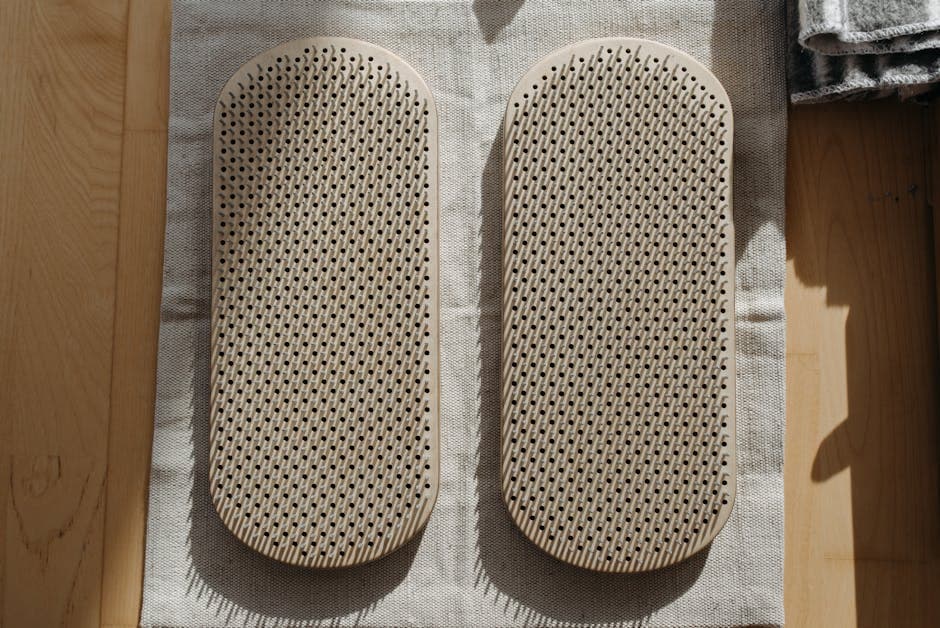
If you've been dealing with persistent headaches, back pain, or stress-related tension, you've probably tried everything from painkillers to physiotherapy. But have you considered acupressure massage? This ancient healing technique has found a devoted following in Nashik, where the combination of urban stress, wine industry demands, and our sometimes unpredictable weather creates the perfect storm for body aches and tension.
Unlike conventional massages that focus on muscles alone, acupressure works on specific pressure points throughout your body. Think of it as acupuncture without the needles—using fingertips, palms, and sometimes elbows to stimulate the same energy pathways. The best part? It's completely non-invasive, surprisingly effective, and increasingly available across Nashik's growing wellness landscape.
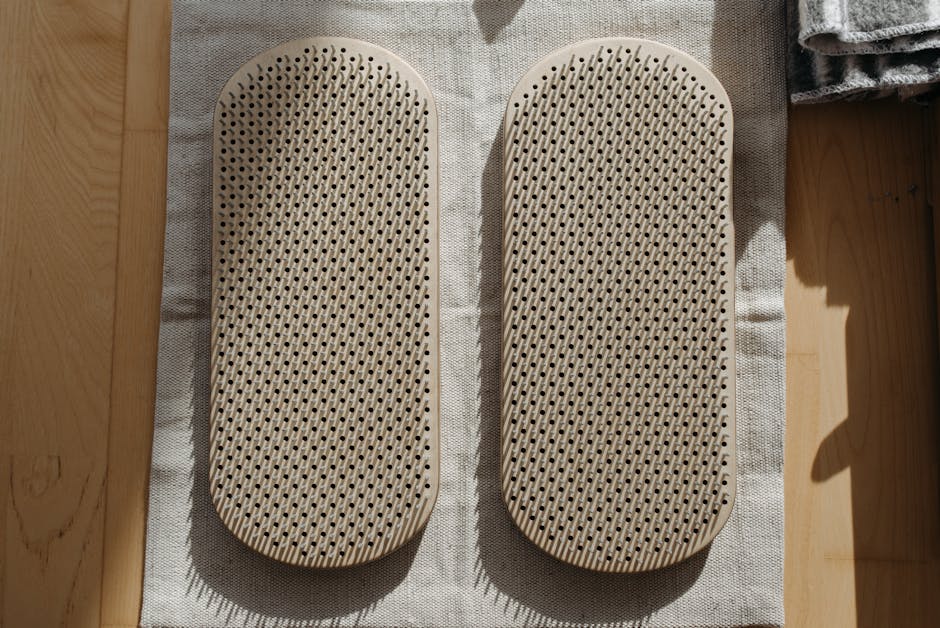
What Exactly Is Acupressure Massage?
Acupressure massage is rooted in Traditional Chinese Medicine, built on the concept that your body contains invisible energy channels called meridians. When these pathways get blocked—whether from stress, poor posture, or illness—you experience pain, fatigue, or disease. Acupressure practitioners apply firm pressure to specific points along these meridians to restore energy flow and trigger your body's natural healing response.
The technique uses over 400 pressure points scattered across your body. Each point connects to specific organs or body systems. For instance, the point between your thumb and index finger (called LI4 or Hegu) is famous for relieving headaches and facial pain. Meanwhile, points on your feet can help with digestive issues or insomnia.
What makes acupressure different from regular massage? The pressure is more focused and deliberate. While Swedish or deep tissue massage works broadly across muscle groups, acupressure targets precise locations. Sessions can be gentler overall, yet the pressure on specific points can be quite intense. You might feel tenderness or even mild discomfort when the therapist hits a blocked point—that's actually a good sign that they've found an area needing attention.
Why Nashikites Are Turning to Acupressure
The benefits of acupressure massage extend far beyond simple relaxation. Here's what makes it particularly valuable for those of us living in Nashik:
Headache and Migraine Relief
Between the summer heat and monsoon pressure changes, headaches plague many Nashik residents. Acupressure offers genuine relief without medication. Regular sessions targeting points like GB20 (at the base of your skull) and Yintang (between your eyebrows) can reduce both frequency and intensity of headaches. Several clients I've spoken with swear their migraines became manageable only after incorporating acupressure into their wellness routine.
Stress and Anxiety Management
Working in Nashik's competitive business environment—whether you're in manufacturing, wine production, or IT—stress is inevitable. Acupressure stimulates your parasympathetic nervous system, essentially telling your body to calm down. Points like Heart 7 on your wrist and Pericardium 6 on your inner forearm are particularly effective for anxiety. Unlike medications that can make you drowsy, acupressure leaves you relaxed but alert.
Back and Neck Pain
Long commutes, desk jobs, and poor posture create chronic pain issues. Acupressure addresses these by releasing tension in trigger points and improving circulation. The technique works especially well for lower back pain, which affects nearly everyone at some point. Combined with proper ergonomics, regular sessions can provide lasting relief.
Digestive Issues
Irregular meal times, spicy food, and stress wreak havoc on digestion. Acupressure points on your abdomen and legs can regulate digestive function, reduce bloating, and ease constipation. According to research published by the National Center for Biotechnology Information, acupressure shows promising results for various gastrointestinal complaints.
Better Sleep Quality
Insomnia is rampant in urban areas, and Nashik is no exception. Specific acupressure points promote melatonin production and relax your nervous system. The Anmian point behind your ear and Shenmen point on your wrist are particularly effective for sleep issues. Many people notice improved sleep within just a few sessions.
Immune System Boost
Regular acupressure stimulates lymphatic drainage and improves overall circulation, helping your immune system function better. This matters especially during monsoon season when viral infections spread easily through our densely populated areas.
What Happens During an Acupressure Session
Walking into your first acupressure appointment can feel uncertain. Let me walk you through what typically happens at Nashik's better spas and wellness centers.
Your session starts with a brief consultation. The therapist will ask about your health concerns, pain points, medications, and medical history. Be honest—certain conditions like pregnancy, recent surgery, or severe osteoporosis require modified approaches or complete avoidance of specific pressure points.
You'll lie on a comfortable massage table, usually fully clothed or in loose-fitting attire. Unlike oil massages, acupressure doesn't require you to undress completely, which many people appreciate. The room should be quiet with dim lighting—though in Nashik, don't be surprised if you hear the occasional honking from Mumbai-Agra Road.
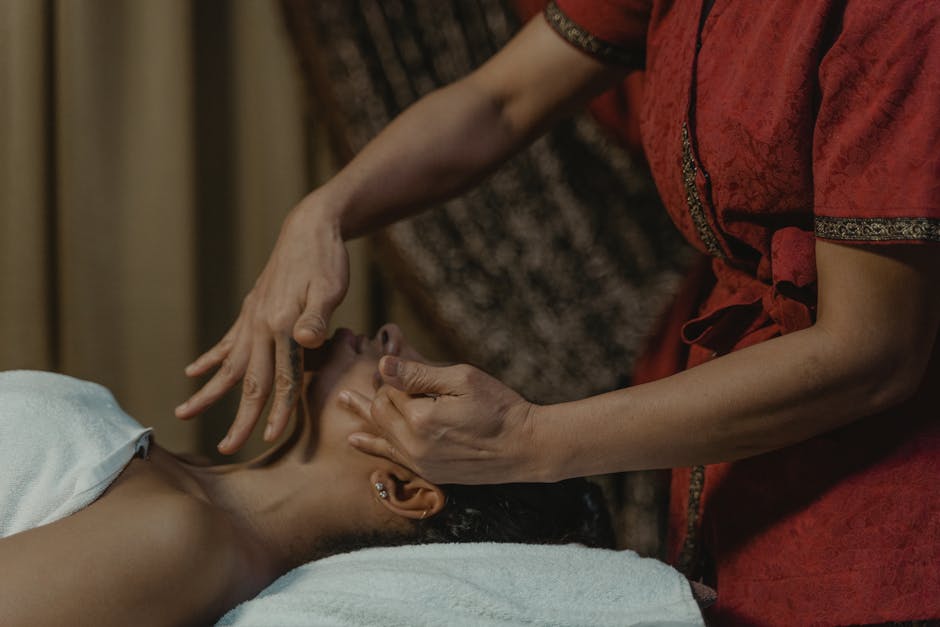
The therapist uses fingers, thumbs, palms, and sometimes elbows to apply pressure. Each point gets attention for 30 seconds to several minutes. The pressure ranges from gentle to quite firm. Speak up if something hurts beyond tolerable discomfort. Good therapists adjust their pressure based on your feedback.
Sessions typically last 45-60 minutes, though some practitioners offer 30-minute targeted treatments focusing on specific issues like headaches or neck pain. First-timers often feel relaxed but energized afterward—quite different from the sleepy feeling that follows oil massages. You might experience increased urination or mild fatigue as your body releases toxins. Drink plenty of water post-session.
If you're interested in exploring different therapeutic approaches, check out our guide on top massage therapies you must try in Nashik to see how acupressure compares with other options available locally.
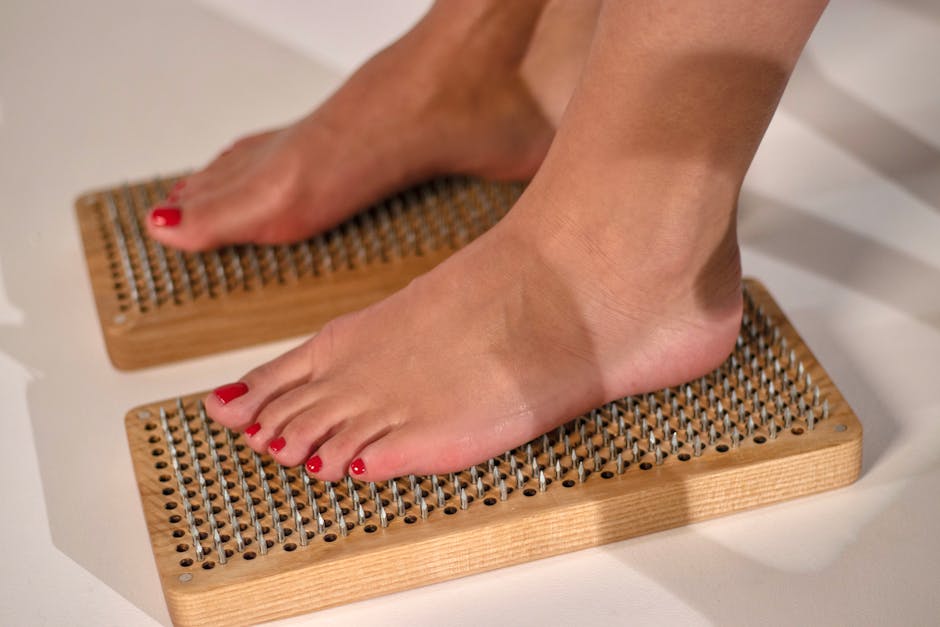
Finding the Right Acupressure Therapist in Nashik
Not all acupressure practitioners are created equal. Nashik's wellness industry has grown rapidly, and unfortunately, that means some under-qualified therapists have entered the market. Here's how to separate the genuine healers from those who simply took a weekend workshop.
Check Credentials and Training
Proper acupressure training takes months, not days. Ask about certifications from recognized institutes. The therapist should have completed at least a 200-300 hour comprehensive program covering anatomy, meridian theory, and practical application. Experience matters too—someone who's been practicing for five years will understand body responses better than a recent graduate.
Read Reviews and Ask for Referrals
Word-of-mouth remains your best tool in Nashik. Ask friends, colleagues, or your doctor for recommendations. Online reviews can help, but look for detailed accounts that describe actual experiences rather than generic praise. Be wary of spas with only five-star reviews—authentic feedback includes both strengths and areas for improvement.
Evaluate Hygiene and Ambiance
Visit the facility before booking. The space should be clean, well-ventilated, and peaceful. Massage tables should have fresh linens. Restrooms should be spotless. These details reflect overall professionalism and care standards.
Consider Location and Accessibility
Consistency matters with acupressure—you'll likely need multiple sessions. Choose a location that's convenient, whether that's near your home in Cidco, close to your office in Satpur industrial area, or somewhere along your regular route. Fighting Nashik traffic to reach appointments defeats the stress-relief purpose.
Understand Pricing Structure
Acupressure massage in Nashik typically ranges from ₹800-2000 per session, depending on the facility, therapist experience, and session duration. High-end spa resorts might charge ₹2500 or more. Packages usually offer better value—many centers provide 5-session packages at 15-20% discount. Be skeptical of prices that seem too good to be true; skilled practitioners deserve fair compensation.
Communication Style Matters
Your therapist should listen carefully to your concerns, explain their approach, and welcome questions. They should modify techniques based on your comfort level and health conditions. If someone dismisses your concerns or pushes too hard despite your protests, find another practitioner. Trust your instincts.
Frequently Asked Questions About Acupressure Massage
How many sessions do I need before seeing results?
This varies dramatically based on your condition. Acute issues like recent stress headaches might improve after 2-3 sessions. Chronic problems—think years of back pain or long-standing digestive issues—typically require 6-10 sessions before significant improvement. Most practitioners recommend weekly sessions initially, then spacing them out to bi-weekly or monthly for maintenance. Think of it like physical therapy; consistency matters more than intensity.
Is acupressure painful?
Honestly? Some pressure points can be tender, especially if you have blockages in those areas. The sensation is usually described as "good pain"—uncomfortable but relieving, like stretching a tight muscle. You shouldn't experience sharp, stabbing, or unbearable pain. A skilled therapist will work within your tolerance level while still applying effective pressure. Communication is key here.
Can acupressure replace medical treatment?
No, and reputable practitioners will tell you this upfront. Acupressure is complementary therapy, not alternative medicine. It works wonderfully alongside conventional treatments but shouldn't replace them. If you have diabetes, hypertension, or any chronic condition, continue your medications and doctor visits. Acupressure can help manage symptoms and improve overall wellbeing, but it's not a miracle cure.
Are there any side effects or contraindications?
Most people tolerate acupressure extremely well. Mild side effects include temporary soreness at pressure points, slight dizziness, or emotional release during or after sessions. Some people cry unexpectedly—this is actually therapeutic, as emotional and physical tension are interconnected. Avoid acupressure if you're pregnant (unless seeing a pregnancy-specialized therapist), have severe osteoporosis, recent fractures, or open wounds. People with bleeding disorders or those on blood thinners should consult their doctor first.
What's the difference between acupressure and acupuncture?
Both therapies target the same meridian points and share theoretical foundations. The main difference? Acupuncture uses fine needles inserted into the skin, while acupressure uses manual pressure. Acupuncture penetrates deeper and some say provides stronger effects for certain conditions, but many people prefer acupressure because it's non-invasive, less intimidating, and carries no risk of needle-related complications. Both are effective; your choice depends on personal comfort level and specific health needs.
Making Acupressure Work for You
Acupressure massage has earned its place in Nashik's wellness landscape for good reason. It addresses the specific health challenges we face—from stress-related tension to chronic pain—without requiring medications or invasive procedures. The technique respects our cultural comfort levels while delivering measurable results.
Start by identifying your primary health concern. Are you seeking relief from specific pain, better stress management, or overall wellness maintenance? This clarity helps you find the right practitioner and set realistic expectations. Don't expect overnight miracles, but do expect gradual, sustainable improvements.
Give acupressure a fair trial of at least 4-6 sessions before judging its effectiveness. Keep track of changes in your symptoms, energy levels, and overall wellbeing. Many benefits accumulate over time rather than appearing immediately.
And remember—finding the right therapist might take a couple of tries. The therapeutic relationship matters. When you find someone whose technique resonates with your body and whose communication style makes you comfortable, stick with them. Consistent care from a practitioner who knows your body's patterns yields the best results.
Your health deserves this investment. Nashik's growing community of skilled acupressure practitioners stands ready to help you feel better, move easier, and handle stress more effectively. Why not give those ancient pressure points a chance to work their magic?