When Nashik's summer heat pushes the mercury past 40 degrees, or when the monsoon's humidity makes everything feel heavy, your body accumulates tension in ways you might not immediately recognize. Hot stone massage offers something uniquely therapeutic for those living in this city—a practice that combines ancient healing wisdom with deeply practical benefits for modern stress.
The technique has gained serious traction in Nashik's spa scene over the past five years. Unlike the generic wellness treatments that come and go, this therapy has staying power because it genuinely works. The combination of heat, pressure, and skilled technique addresses the particular muscle tension patterns that develop from our local lifestyle—whether you're navigating Nashik's traffic-congested roads, working long hours in the city's manufacturing sector, or dealing with the physical strain of daily vineyard work during harvest season.
What Makes Hot Stone Massage Different
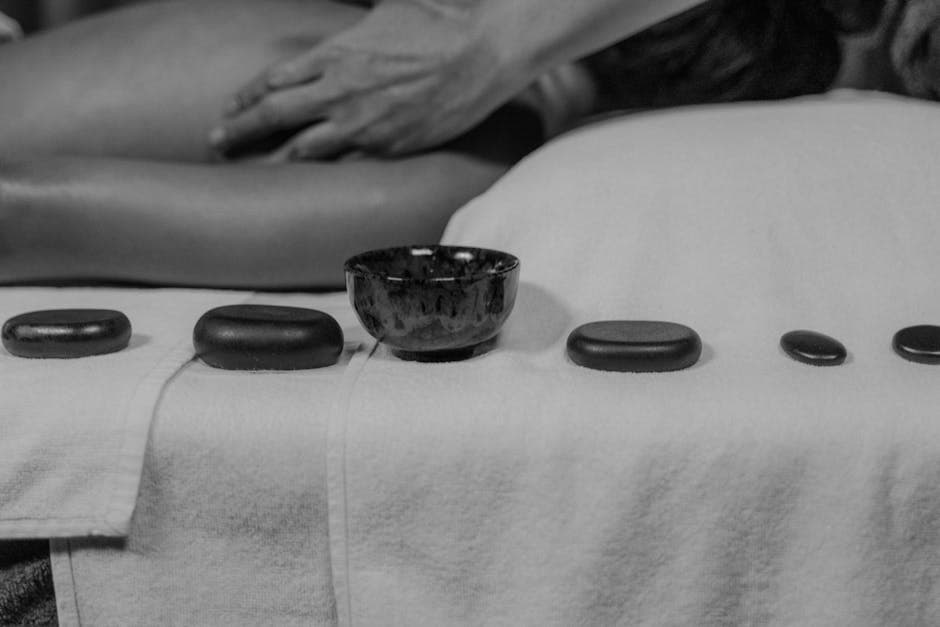
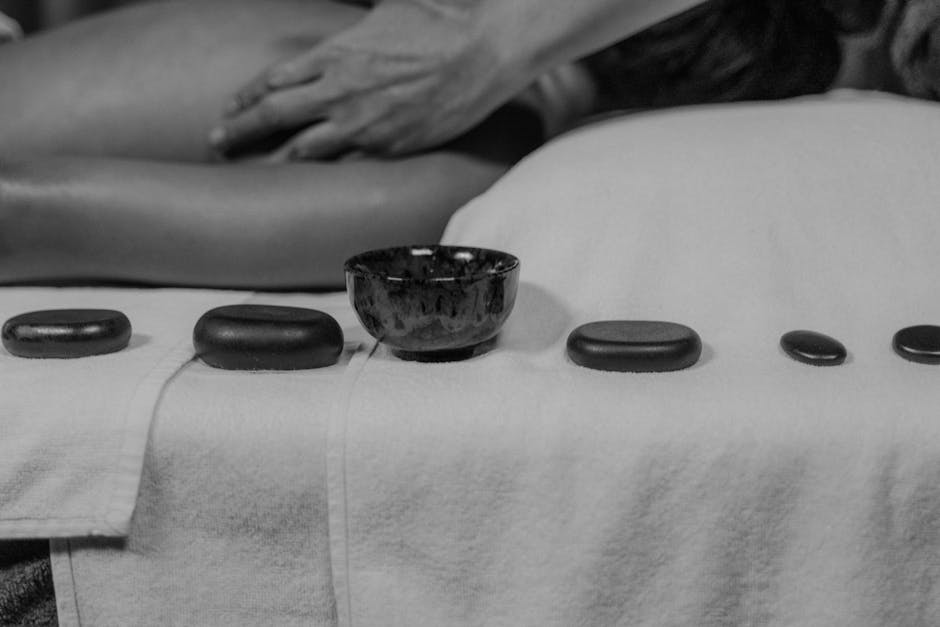
Hot stone massage uses smooth, heated basalt stones—typically sourced from volcanic regions—as both massage tools and thermal therapy devices. The therapist places these stones on specific points along your body and also uses them as extensions of their hands to work through muscle tension.
The stones are usually heated to between 50-60°C in a specialized warmer. Basalt holds heat exceptionally well because of its high iron content, which means the warmth penetrates deep into your muscle tissue without burning your skin. This isn't just about feeling cozy; the heat serves a genuine therapeutic purpose.
Here's what actually happens: The warmth causes your blood vessels to expand, improving circulation throughout the treatment area. Your muscles relax more completely than they would with manual massage alone, allowing the therapist to work more effectively on stubborn knots. The heat also stimulates your parasympathetic nervous system—the part that tells your body it's safe to rest and repair.
In Nashik specifically, many spas have adapted the traditional technique to suit our climate. During summer months (March to June), some therapists use slightly cooler stone temperatures or incorporate brief intervals with room-temperature stones. It's a smart modification that prevents the treatment from feeling overwhelming when it's already 38 degrees outside.
Real Benefits You'll Actually Notice
Let's cut through the marketing fluff and talk about what hot stone massage genuinely does for your body.
Deep Muscle Relaxation
The heat penetrates 3-4 centimeters into your muscle tissue—far deeper than regular massage. If you've got chronic tension in your shoulders from desk work or lower back pain from standing all day, this depth makes a tangible difference. I've spoken with textile professionals and teachers in Nashik who swear by monthly hot stone sessions for managing occupational pain.
Better Sleep Quality
The parasympathetic activation during treatment creates a profound relaxation response that often extends for days afterward. Many clients report their best night's sleep in months following their first session. This matters particularly during Nashik's restless summer nights when heat makes quality sleep elusive.
Improved Circulation
The heat therapy aspect boosts blood flow throughout your body. This means better oxygen delivery to tissues, more efficient removal of metabolic waste, and often a noticeable reduction in inflammation. For those dealing with arthritis—increasingly common in Nashik's aging population—this circulatory boost provides genuine relief.
Stress and Anxiety Reduction
The combination of warmth, therapeutic touch, and focused attention creates a meditative experience. Your cortisol levels drop, while serotonin and dopamine increase. This isn't just feeling relaxed—it's measurable biochemical change that helps manage anxiety and improves mood.
Flexibility Enhancement
When muscles are truly warm and relaxed, they stretch more easily and safely. Regular hot stone sessions can improve your range of motion, which is especially valuable if you practice yoga or lead an active lifestyle around Nashik's hills and vineyards.
What Your Session Will Look Like
Most hot stone massages in Nashik run 60-90 minutes and follow a fairly standard structure, though skilled therapists customize based on your needs.
You'll start with a brief consultation where the therapist asks about areas of pain, medical conditions, and your comfort with heat. Be honest here—if you have diabetes, heart conditions, or skin sensitivities, the therapist needs to know. Some spas in Nashik still don't screen carefully enough, so speak up about any health concerns.
The treatment room should be comfortably warm but not stifling. You'll undress to your comfort level (most people remove all clothing, but underwear is fine if you prefer) and lie face-down on a heated massage table. The therapist will cover you with towels or sheets, only exposing the area being worked on.
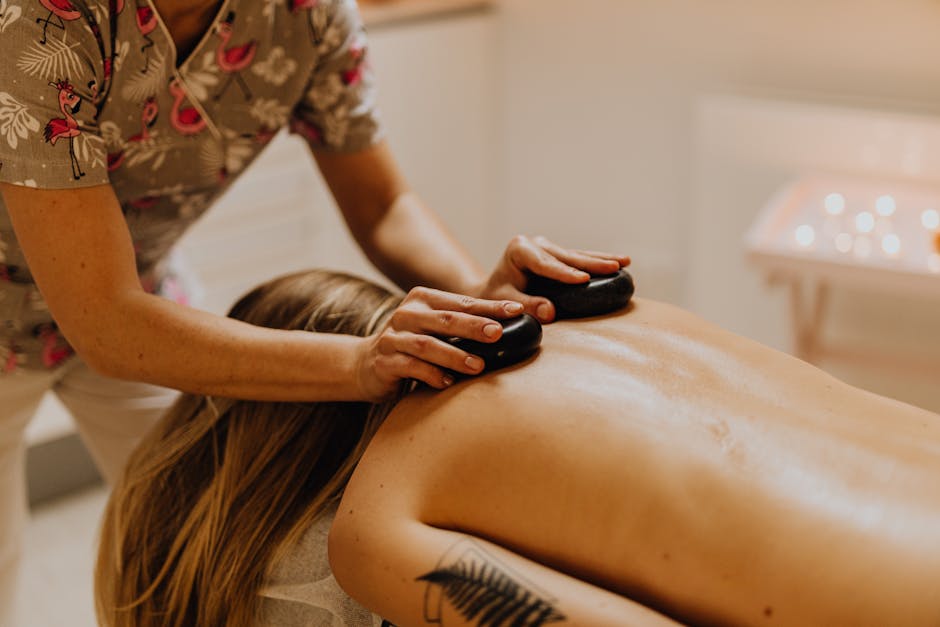
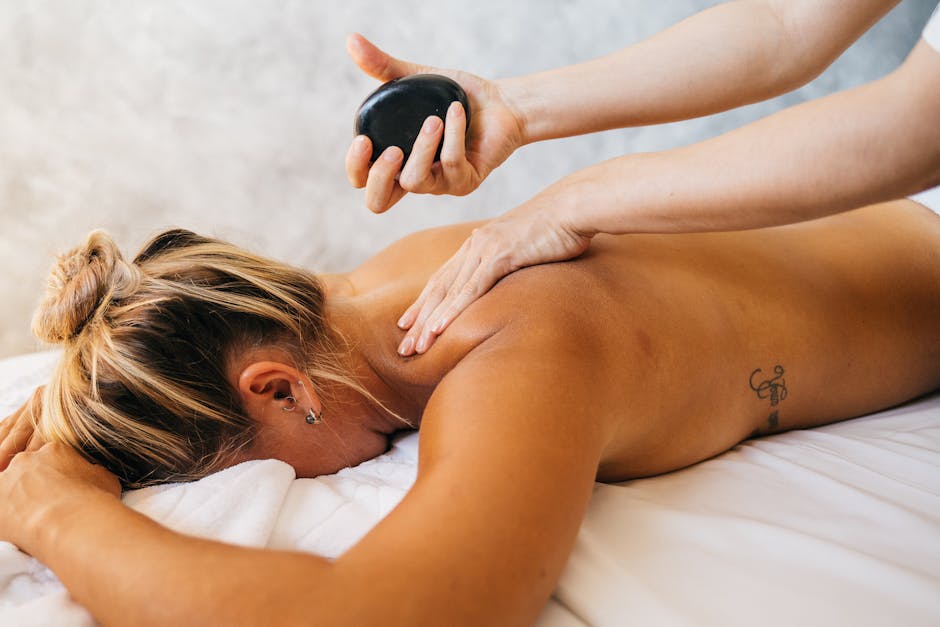
Larger stones get placed along your spine, in your palms, between your toes, or on other energy points. These stationary stones stay in place while the therapist uses smaller stones to massage your muscles. The combination of stationary heat and moving pressure creates a uniquely soothing sensation.
Expect the therapist to use oil—usually coconut, sesame, or specialized aromatherapy blends. The oil allows the stones to glide smoothly without dragging or irritating your skin. Quality spas use organic oils; cheaper establishments sometimes use mineral oil or synthetic blends that don't absorb well and can cause breakouts.
About halfway through, you'll flip over so the therapist can work on your front side. The face, chest, arms, and legs all receive attention. Some Nashik spas incorporate specialized head and shoulder massage techniques into the session, which creates an even more comprehensive treatment.
After the massage ends, you'll have a few minutes to rest and reorient yourself. Don't jump up immediately—people sometimes feel slightly dizzy from the deep relaxation. The therapist should offer water or herbal tea. Drink it. Hydration helps flush the metabolic waste that the massage mobilized.
Finding Quality Hot Stone Massage in Nashik
Nashik's spa industry has expanded rapidly, but quality varies dramatically. Here's what separates excellent providers from mediocre ones.
Therapist Training and Certification
Ask whether therapists have formal training in hot stone technique specifically—not just general massage certification. Proper training covers stone temperature management, placement protocols, and contraindications. The best spas in Nashik employ therapists with credentials from recognized institutions like ISWA (Indian School of Wellness Arts) or international bodies like CIBTAC.
Stone Quality and Hygiene
Professional basalt stones have a smooth, polished surface without chips or rough patches. They should be sanitized between every client. Don't hesitate to ask about cleaning procedures. Reputable establishments will gladly explain their hygiene protocols.
Equipment Standards
Stone warmers should maintain precise, consistent temperatures. The massage table should have proper padding and a face cradle. Linens should be fresh and high-quality. These details indicate whether a spa takes its craft seriously or is just going through the motions.
Atmosphere and Environment
The treatment space should feel genuinely peaceful. That means appropriate lighting, comfortable temperature, and minimal noise intrusion. Some Nashik spas are located on busy commercial streets—ask whether treatment rooms are soundproofed. Traffic noise from Gangapur Road completely undermines the relaxation you're paying for.
Pricing Reality Check
In Nashik, expect to pay ₹1,800-₹3,500 for a 60-minute hot stone massage and ₹2,500-₹5,000 for 90 minutes. Luxury hotel spas charge toward the higher end, while standalone wellness centers typically offer better value. Anything significantly cheaper likely cuts corners on therapist training, stone quality, or hygiene standards. Conversely, prices above ₹5,500 usually reflect luxury branding more than superior technique.
Read Between the Lines
Online reviews reveal a lot, but read carefully. Look for specific comments about therapist skill, cleanliness, and atmosphere rather than vague praise. Be cautious of places with exclusively five-star reviews—they're often fake. Legitimate businesses have the occasional four-star review from someone with particular preferences.
Who Should Avoid Hot Stone Massage
Despite its benefits, hot stone massage isn't appropriate for everyone. Skip it if you have:
- Recent injuries or acute inflammation: The heat can worsen fresh sprains, strains, or bruises.
- Heart conditions or high blood pressure: Heat therapy affects circulation in ways that can stress cardiovascular systems.
- Diabetes: Reduced sensation in extremities means you might not notice if stones are too hot until damage occurs.
- Pregnancy: While massage during pregnancy can be beneficial, hot stones present risks. If you're expecting, look for prenatal massage specialists instead.
- Skin conditions: Active rashes, sunburn, or open wounds shouldn't be exposed to heat and pressure.
- Blood clotting disorders: Deep massage can dislodge clots, creating serious health risks.
If you're taking medications that affect blood clotting or circulation, consult your doctor before booking. This isn't overcautious medical advice—it's practical safety that prevents complications.
Combining Treatments for Better Results
Hot stone massage works beautifully as a standalone treatment, but pairing it with complementary therapies can enhance results. Many Nashik spas offer package deals that make sense both therapeutically and financially.
Consider combining your hot stone session with herbal compress therapy, which uses heated bundles of therapeutic herbs to further reduce inflammation and ease muscle pain. The two modalities complement each other perfectly—the stones provide steady, penetrating heat while the compresses add anti-inflammatory botanical benefits.
For those dealing with chronic stress, alternating weekly between hot stone massage and detox body wraps creates a comprehensive wellness routine that addresses both muscular tension and systemic stress.
Frequently Asked Questions
How often should I get hot stone massage?
For general wellness and stress management, once monthly works well for most people. If you're addressing chronic pain or recovering from injury, weekly sessions for 4-6 weeks followed by bi-weekly maintenance produces better results. Listen to your body—if you're sore for more than two days after a session, you're either going too frequently or the therapist is using excessive pressure.
Will the stones burn my skin?
Not when properly done. Professional therapists test stone temperature before placing them on your body and constantly monitor your comfort. You should feel warm, soothing heat—never sharp, burning pain. If stones feel too hot, speak up immediately. A good therapist will adjust without making you feel awkward about it.
Can I get hot stone massage during Nashik's summer months?
Absolutely. The treatment room should be air-conditioned, which creates a comfortable contrast with the heated stones. Many people actually find it more enjoyable during summer because the AC makes the warmth feel luxurious rather than oppressive. Some spas offer "warm stone" variations during peak heat months, using slightly lower temperatures that still provide therapeutic benefits without overwhelming you.
What should I do after the massage?
Drink plenty of water for the next 24 hours—aim for at least 2-3 liters. The massage mobilizes toxins and metabolic waste; hydration helps flush them from your system. Avoid alcohol and heavy meals immediately afterward. Take a warm shower rather than a hot bath, and resist the urge to immediately return to stressful activities. Give yourself at least an hour of quiet time to extend the relaxation benefits.
Is hot stone massage just for women?
Not at all. This stereotype persists in Indian spa culture, but men benefit equally from the treatment—perhaps more so, given that men often carry significant muscle tension in their backs, shoulders, and necks from physical labor and poor desk posture. Many Nashik spas now actively market to male clients and offer male therapists for those who prefer them.
Making Hot Stone Massage Part of Your Wellness Routine
Hot stone massage represents more than temporary pampering. When integrated thoughtfully into your self-care routine, it becomes a powerful tool for managing the physical and mental demands of modern life in Nashik.
The technique's centuries-old roots in multiple healing traditions reflect its fundamental effectiveness. Whether you're seeking relief from chronic pain, better sleep, improved athletic performance, or simply a break from daily stress, hot stone massage delivers tangible results that justify both the time and financial investment.
Start with a single session at a reputable Nashik spa. Pay attention to how your body feels not just immediately afterward, but over the following days. Notice whether you sleep better, move more easily, or feel less reactive to daily stressors. That personal evidence matters more than any article can convey.
If you find value in the experience, consider making it a regular practice. Monthly treatments provide cumulative benefits that compound over time—better posture, reduced chronic pain, improved stress resilience, and a general sense of wellbeing that makes everything else in life a bit easier to handle.
Your body works hard navigating Nashik's demands, from the physical challenges of our landscape to the mental pressures of a rapidly developing city. Hot stone massage offers a scientifically grounded, deeply practical way to support that hard-working body. It's not indulgence—it's intelligent maintenance.