If you've been feeling the weight of stress settling into your muscles or the dryness of Nashik's summer air affecting your skin, herbal compress therapy might be the ancient wellness practice your body is craving. This traditional healing technique, rooted in Ayurvedic and Thai medicine, has found a natural home in Nashik's growing spa culture. The treatment combines heat, aromatherapy, and medicinal herbs to address everything from chronic pain to skin dryness—issues that many of us living in this city know all too well.
What makes herbal compress therapy particularly relevant here is how well it addresses the specific health concerns that come with our climate. During the scorching summer months when temperatures climb past 40°C, the herbs used in these compresses help restore moisture and balance to dehydrated skin. And when the winter chill sets in around December and January, the warming properties provide relief to joints and muscles that tend to stiffen up.
What Exactly Is Herbal Compress Therapy?
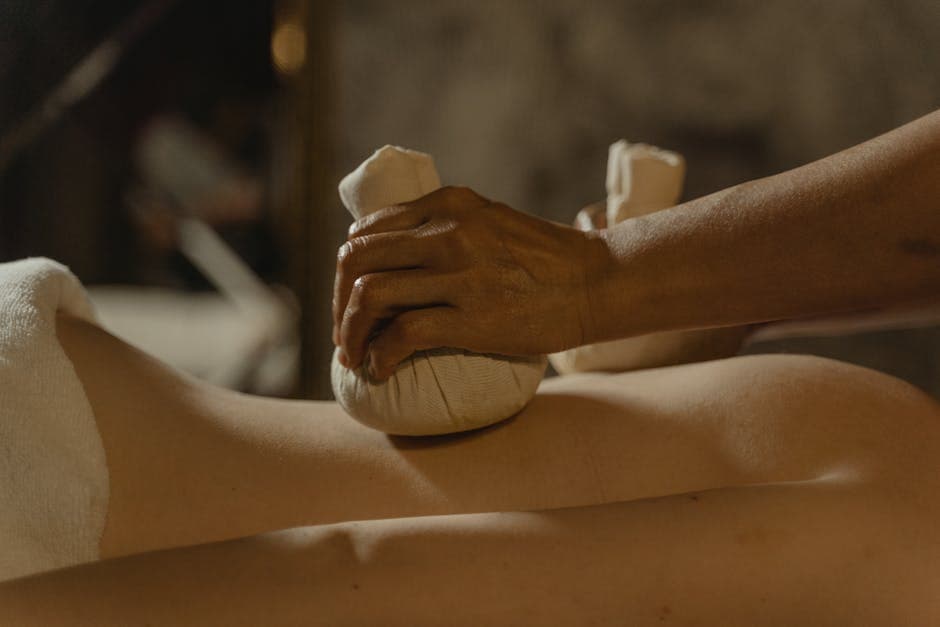
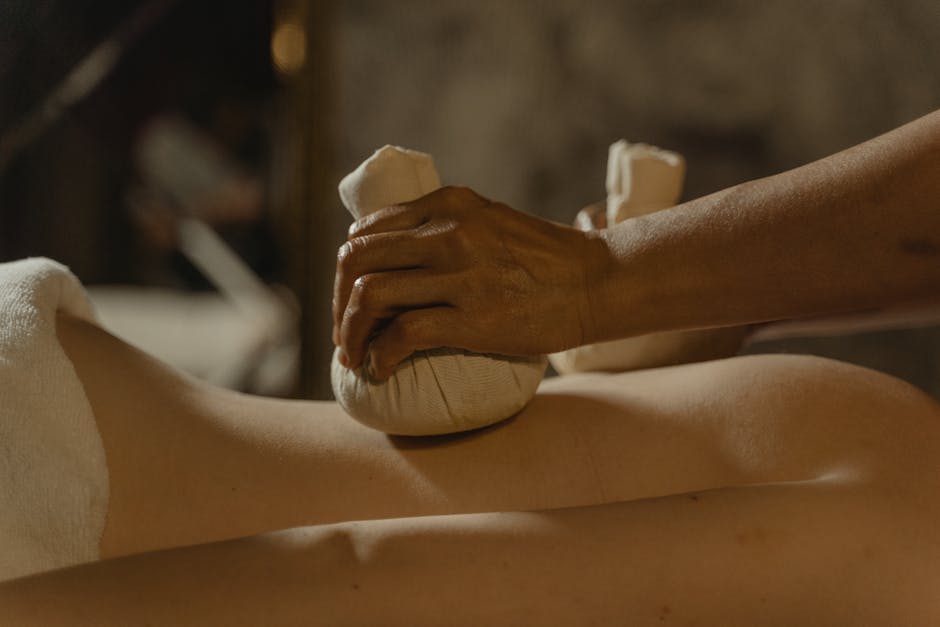
At its core, herbal compress therapy involves muslin or cotton pouches filled with a carefully selected blend of medicinal herbs, which are then steamed and applied to your body. The therapist uses these warm bundles in a rhythmic pressing, rolling, and circular motion across your muscles and pressure points. It's not just a massage—it's a multi-sensory healing experience.
The pouches typically contain herbs like lemongrass, turmeric, ginger, kaffir lime, camphor, and tamarind leaves. Some Nashik spas have adapted the traditional recipes to include locally sourced herbs from the Western Ghats region. The combination isn't random; each herb serves a purpose. Turmeric reduces inflammation, ginger improves circulation, lemongrass relieves muscle tension, and camphor provides that cooling sensation that feels incredible after the heat.
The treatment usually lasts between 60 to 90 minutes. The compresses need to stay hot throughout, so therapists typically work with two sets—while one is being applied to your body, the other is being reheated in a steamer. This continuous warmth is what allows the herbs' essential oils and healing properties to penetrate deep into your tissues.
The Science Behind the Steam
There's actual science backing this centuries-old practice. When heat opens your pores and dilates blood vessels, it enhances the absorption of the herbs' medicinal compounds. According to research on traditional herbal medicine, many of these botanical ingredients contain anti-inflammatory, antimicrobial, and antioxidant properties that benefit both skin and deeper tissues.
The moist heat also helps muscles relax more effectively than dry heat alone. If you've ever tried a regular heating pad versus a hot water bottle, you know what I mean. The moisture penetrates deeper, making this treatment particularly effective for people who spend long hours at desks in Nashik's IT parks or those whose bodies bear the strain of physical labor.
Benefits That Go Beyond Surface Level
Let me be direct: herbal compress therapy isn't a magic cure-all, but the benefits are substantial when done correctly and consistently.
For Your Muscles and Joints
This is where the treatment really shines. The combination of heat, pressure, and herbal oils provides significant relief from muscle tension, stiffness, and chronic pain. Many people in Nashik who suffer from arthritis—which tends to flare up during our brief but chilly winters—find regular sessions help manage joint pain better than they expected. The warmth increases blood flow to affected areas, while the anti-inflammatory herbs reduce swelling.
Athletes and fitness enthusiasts at Nashik's growing number of gyms have discovered herbal compress therapy as an excellent recovery tool. It helps flush out lactic acid buildup and reduces muscle soreness after intense workouts.
Skin Benefits You Can Actually See
The herbs don't just work internally—your skin gets serious benefits too. The steam opens pores and allows deep cleansing, while turmeric and other botanicals provide natural antibacterial action. For those dealing with the skin challenges that come with Nashik's hard water and pollution, this can be a game-changer.
The treatment promotes better circulation to the skin's surface, giving you that natural glow people often associate with expensive gold facials or other luxury treatments. The difference? This glow comes from genuinely improved skin health, not just temporary surface enhancement.
Stress Relief and Mental Clarity
The aromatherapy component shouldn't be underestimated. The scent of lemongrass, camphor, and fresh herbs has a calming effect on your nervous system. In my conversations with regular clients at Nashik spas, many mention feeling mentally lighter after sessions—that racing mind finally slows down.
The treatment activates your parasympathetic nervous system, essentially telling your body it's safe to relax. Given how stress manifests physically—tight shoulders, tension headaches, digestive issues—this whole-body approach to relaxation makes more sense than treatments that focus on just one area, like a simple head and shoulder massage.
What to Expect During Your Session
Walking into your first herbal compress therapy appointment can feel a bit mysterious if you don't know what's coming. Here's the real deal on what happens.
You'll typically start by filling out a brief health questionnaire. Be honest about any skin sensitivities, chronic conditions, or recent injuries. The herbs and heat aren't suitable for everyone—pregnant women, people with certain skin conditions, and those with severe cardiovascular issues should skip this treatment or consult their doctor first.
After changing into disposable underwear or comfortable clothing (different spas have different protocols), you'll lie on a massage table. The therapist will check the temperature of the compress on their own wrist first, then on a small area of your skin. This isn't a "no pain, no gain" situation—the heat should feel comfortably warm, never burning.
The Technique Itself
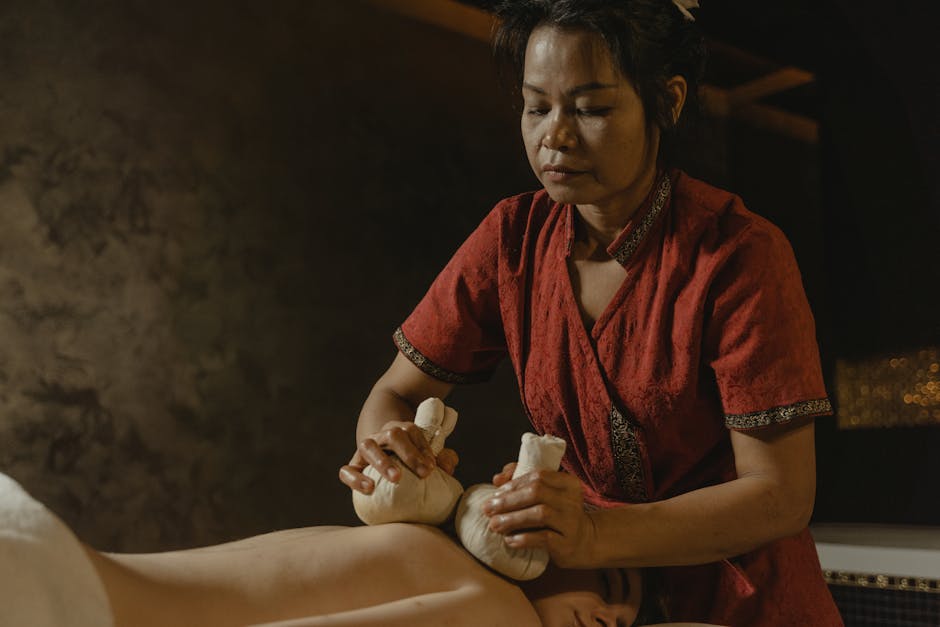
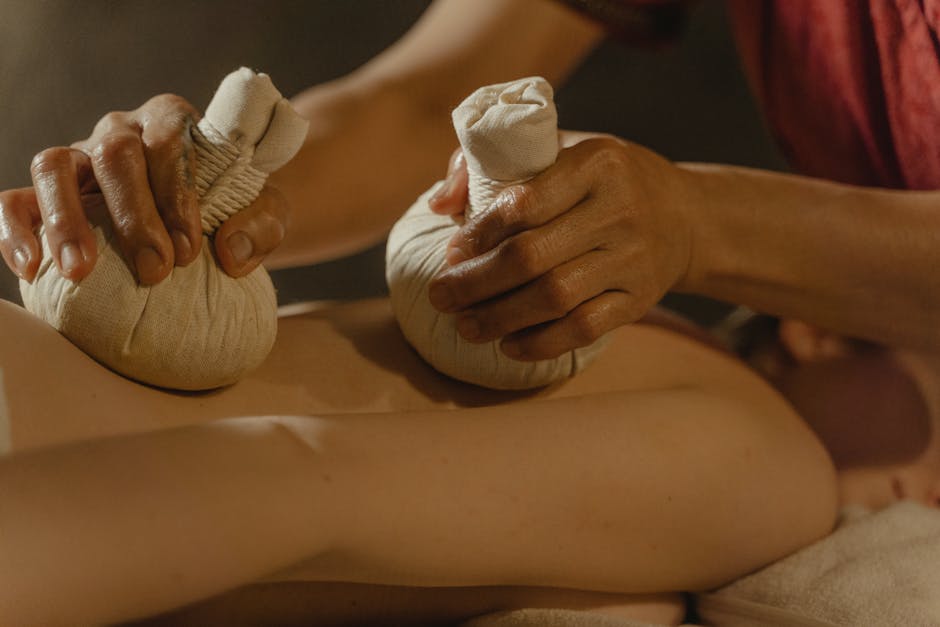
The therapist uses the herbal compresses in various ways. Sometimes they'll press and hold on specific points, other times they'll roll the pouches along your muscle lines, and occasionally they'll use smaller circular motions. Many practitioners in Nashik blend Thai and Ayurvedic techniques, creating a unique style that's emerged in our local spa culture.
Some areas get more attention than others. Your back, shoulders, and legs typically receive the longest treatment time since that's where most people hold tension. The compresses are also applied to the abdomen (great for digestion issues), arms, and feet. Don't be surprised if the therapist occasionally uses their hands for traditional massage strokes between compress applications.
You might sweat. That's normal and actually part of the detoxification benefit. Quality spas will provide towels and keep you comfortable, but you will feel the heat working. Some people find it incredibly relaxing and drift off to sleep; others stay awake enjoying the sensations. There's no wrong way to experience it.
After the Treatment
You'll likely feel deeply relaxed, maybe even a bit lightheaded. Take your time getting up. Most spas offer herbal tea or water—drink it. You need to rehydrate after all that sweating. Your skin might appear slightly flushed, which typically subsides within an hour or so.
The benefits continue developing over the next 24 to 48 hours. Don't plan anything too strenuous for the rest of the day if possible. Your body has just done some serious healing work.
Choosing the Right Herbal Compress Therapy Provider in Nashik
Not all herbal compress treatments are created equal, and Nashik has seen a boom in spa services over the past few years. Some are excellent; others are just jumping on the wellness trend without proper training or authentic ingredients.
Questions to Ask Before Booking
First, ask about the herbs they use. Are they fresh or dried? Where do they source them from? The best places use fresh herbs when possible and can tell you exactly what's in their compresses. If they can't answer these basic questions, that's a red flag.
Inquire about their therapists' training. Have they received specific certification in herbal compress therapy, or are they just regular massage therapists doing something they learned from a YouTube video? Proper training matters enormously in technique and safety.
Check if they use new compresses for each client or if they're reusing them. This is non-negotiable for hygiene reasons. Reputable spas always use fresh compresses.
Pricing Reality in Nashik
Expect to pay between ₹1,500 to ₹3,500 for a 60-90 minute session in Nashik. The cheaper end often means dried herbs and less experienced therapists. The higher end typically includes fresh herbs, better facilities, and more skilled practitioners. Prices around ₹2,000 to ₹2,500 usually indicate good quality without unnecessary luxury markup.
Some spas offer packages that combine herbal compress therapy with other treatments like detox body wraps, which can provide better value if you're planning regular sessions. Just make sure you're actually interested in the additional services rather than being swayed by package deals you won't fully use.
Location Considerations
Nashik's spa scene has expanded beyond the traditional hotel spas near Gangapur Road and College Road. You'll now find quality providers in areas like Satpur, Indira Nagar, and even some residential neighborhoods. Don't automatically assume hotel spas are better—many standalone wellness centers have invested heavily in authentic treatments and skilled staff.
That said, accessibility matters. If you're planning regular sessions for chronic pain management, choose somewhere you can realistically reach without adding extra stress to your day. Fighting through Nashik's College Road traffic might undo some of the relaxation benefits.
Frequently Asked Questions About Herbal Compress Therapy
How often should I get herbal compress therapy?
For general wellness and stress relief, once a month works well for most people. If you're dealing with chronic pain or specific conditions, weekly sessions for the first month, then bi-weekly as symptoms improve, typically yields better results. Listen to your body and your budget—this should enhance your life, not strain your finances.
Can I get this treatment during Nashik's summer heat?
Absolutely, though the approach might be slightly modified. Good therapists will use cooler herbal compresses or alternate between warm compresses and cooling techniques. Some spas offer a "cooling herbal compress" version using herbs like mint and sandalwood that are steamed but not kept piping hot. The treatment is actually beneficial year-round; the herbs and techniques simply get adapted to seasonal needs.
Is herbal compress therapy safe if I have sensitive skin?
Generally yes, but communication is key. Inform your therapist about any allergies or sensitivities beforehand. They can adjust the herbal blend or do a patch test first. People sensitive to specific herbs like lemongrass or camphor can have those ingredients omitted. However, if you have active skin infections, open wounds, or severe eczema, wait until those conditions improve before booking.
How does this compare to regular massage therapy?
They're complementary rather than competing treatments. Regular massage excels at working out deep knots and specific muscle issues through sustained pressure and manipulation. Herbal compress therapy provides more comprehensive benefits—the heat penetrates deeper, the herbs offer medicinal properties, and the aromatherapy adds a mental wellness component. Many people alternate between the two or choose based on what their body needs that particular week.
Will the herbal smell linger on my skin?
For a few hours, yes, and most people find it pleasant. The natural scent of lemongrass, ginger, and other herbs fades gradually. If you're heading to a work meeting or event right after, you might want to schedule differently. Though honestly, smelling like healing herbs beats smelling like stress sweat any day.
Making Herbal Compress Therapy Part of Your Wellness Routine
The real value of herbal compress therapy emerges not from a single session but from integrating it into your broader approach to health. Think of it as one tool in your wellness toolkit, alongside proper sleep, good nutrition, and regular movement.
For those of us navigating Nashik's increasingly fast-paced lifestyle—whether you're managing a business in the industrial areas, working long hours in the wine industry, or juggling family responsibilities—this treatment offers a rare opportunity to hit pause. Your body accumulates stress like dust on a bookshelf. Herbal compress therapy helps clear that away.
The growing availability of quality herbal compress therapy in Nashik reflects our city's evolution. We're no longer satisfied with purely cosmetic treatments; we want therapies that address root causes and provide lasting benefits. This ancient practice, adapted thoughtfully to our modern context and local climate, delivers exactly that.
Start with one session. Pay attention to how your body feels not just immediately after, but over the following days. Notice if you sleep better, if that nagging shoulder tension eases, if your skin looks more vibrant. Then decide if this treatment deserves a regular spot in your self-care routine. For many people discovering herbal compress therapy in Nashik, the answer becomes a resounding yes.