
If you've been dealing with persistent muscle tension, chronic back pain, or those stubborn knots that just won't release with regular massage, deep tissue work might be exactly what your body needs. In Nashik, where many of us juggle long commutes, desk jobs, or physically demanding work in the city's industrial sectors, deep tissue massage has become increasingly popular—and for good reason.
Unlike the lighter Swedish-style massages you might get at a salon, deep tissue massage targets the deeper layers of muscle and connective tissue. It's therapeutic, sometimes intense, and remarkably effective when done correctly. Let me walk you through everything you need to know about getting a proper deep tissue massage here in Nashik.

What Exactly Is Deep Tissue Massage?
Deep tissue massage is a specialized technique that focuses on realigning deeper layers of muscles and connective tissue. Therapists use slow, deliberate strokes and concentrated pressure applied across the grain of the muscle fibers. This isn't about relaxation music and gentle kneading—though good therapists certainly create a calming atmosphere.
The technique targets your body's deeper musculature and fascia, the connective tissue surrounding your muscles. When muscles are stressed or injured, adhesions (bands of rigid tissue) can form, causing pain, inflammation, and restricted movement. Deep tissue work systematically breaks down these adhesions.
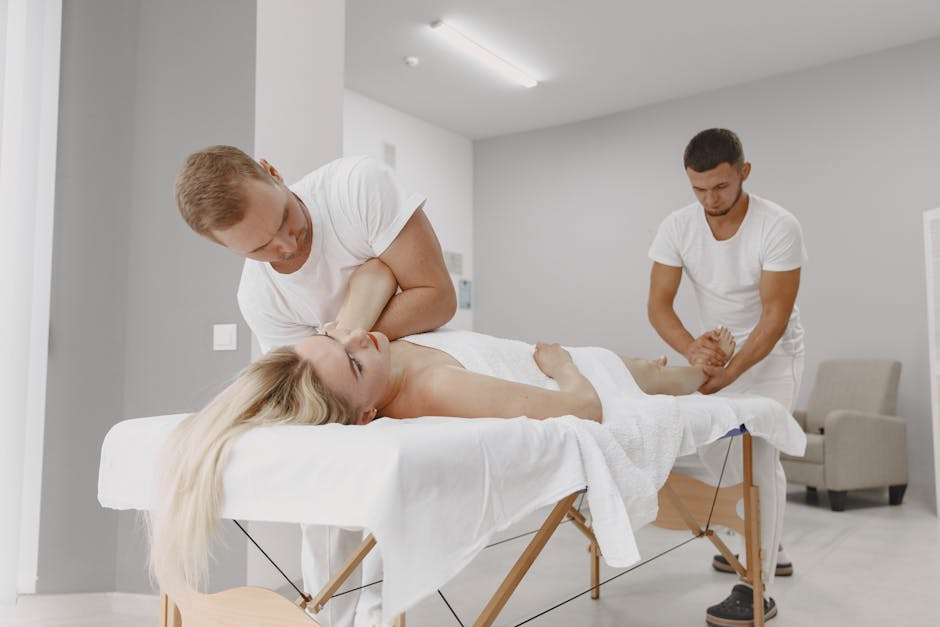
Here's what makes it different: while a Swedish massage works with your body's natural circulation patterns and uses lighter pressure, deep tissue massage deliberately applies sustained pressure using slow strokes, knuckles, forearms, elbows, and even thumbs to reach those deeper layers. A skilled therapist literally feels their way through muscle layers, identifying problem areas and working them methodically.
The pressure involved can range from firm to intense. You'll definitely feel it working—some discomfort is normal, though it should never cross into genuine pain. Communication with your therapist is essential throughout the session.
Real Benefits You'll Actually Notice
People don't seek out deep tissue massage just for pampering. They come because other approaches haven't resolved their issues. Here's what regular sessions can do:
Chronic Pain Relief
This is the big one. Studies, including research published by the National Center for Biotechnology Information, show that deep tissue massage is often more effective than other interventions for chronic pain. Lower back pain, neck stiffness, shoulder tension—these respond particularly well. If you've been loading yourself with painkillers for months, a course of deep tissue sessions might offer better long-term relief.
Improved Mobility and Flexibility
Those adhesions I mentioned earlier? They restrict your range of motion. By breaking them down, deep tissue work literally gives you more freedom to move. Athletes and yoga practitioners in Nashik often swear by monthly sessions to maintain flexibility.
Better Posture
If you're spending eight hours hunched over a computer screen at one of Nashik's many IT parks or corporate offices, your posture is probably suffering. Deep tissue massage addresses the muscular imbalances that poor posture creates, particularly in the neck, shoulders, and upper back.
Stress Reduction
Yes, even though it's therapeutic rather than purely relaxing, deep tissue massage significantly lowers cortisol levels and increases oxytocin production. You'll walk out feeling physically lighter and mentally clearer. During Nashik's hot summers, when stress levels naturally rise, this benefit becomes even more noticeable.
Breaking Up Scar Tissue
If you've had an injury or surgery, scar tissue can cause ongoing pain and restricted movement. Deep tissue massage helps break down this tissue over time, improving healing and reducing discomfort.

What to Expect During Your Session
Walking into your first deep tissue massage session can feel a bit intimidating. Here's the reality of what happens:
Most sessions in Nashik run 60 to 90 minutes. Your therapist should start with a consultation about your specific problem areas, medical history, and pain tolerance. Be honest—this isn't the time to act tough. Mention any recent injuries, chronic conditions, or areas that are particularly sensitive.
The room should be comfortably warm. Some spas in Nashik struggle with temperature control during summer months, so don't hesitate to ask for AC adjustment. You'll undress to your comfort level (most people keep underwear on) and lie on a massage table under a sheet.
Your therapist will likely start with broader, lighter strokes to warm up the muscle tissue. This isn't wasted time—it prepares your body for the deeper work ahead. Then comes the focused pressure on problem areas. You might feel various sensations: stretching, pressure, occasional sharp discomfort as the therapist works through a particularly tight spot.
Here's what many people don't realize: some soreness afterward is completely normal. You might feel like you've had a tough workout the next day. Drink plenty of water after your session—it helps flush out the metabolic waste released from your muscles.
One session rarely solves chronic issues. Think of it like physical therapy. For ongoing problems, therapists typically recommend starting with weekly sessions for four to six weeks, then transitioning to maintenance sessions every two to four weeks.
Choosing the Right Spa or Therapist in Nashik
Not all massage centers in Nashik are created equal, and deep tissue work requires genuine skill. Here's how to separate the professionals from the pretenders:
Look for Proper Training
Ask about certifications. Legitimate therapists should have completed recognized training programs and ideally have specific certification in deep tissue techniques. Many of the better spas in areas like College Road and Sharanpur Road employ therapists trained at reputable institutes.
Experience Matters
Deep tissue massage isn't something you learn in a weekend workshop. Look for therapists with at least two years of hands-on experience. They should be able to discuss their approach and explain what they're doing during the session.
Check Reviews and Recommendations
Word of mouth means everything in Nashik's spa community. Ask friends, check online reviews, and pay attention to specific mentions of deep tissue work—not just general spa reviews. If you're exploring different massage therapies in Nashik, look for establishments with positive feedback across multiple techniques.
Hygiene and Ambiance
Visit the facility first if possible. Clean linens, proper sanitation, private rooms with good ventilation—these aren't luxury extras, they're basics. The best spas maintain high standards even during Nashik's humid monsoon season when keeping things fresh requires extra effort.
Realistic Pricing
In Nashik, expect to pay ₹1,500 to ₹3,000 for a quality 60-minute deep tissue massage session. Some high-end hotel spas charge up to ₹4,000. Anything significantly cheaper should raise questions about therapist training and product quality. Places advertising deep tissue sessions for ₹500 or ₹600 are likely offering basic oil massage with harder pressure—not the same thing at all.
Communication Skills
Your therapist should speak clearly, explain the process, check in regularly about pressure levels, and listen to your feedback. If they're not responsive during your session or seem to follow a rigid routine regardless of your needs, find someone else.
Frequently Asked Questions
Is deep tissue massage painful?
It can be uncomfortable, but shouldn't be painful. There's a difference between "good hurt"—that feeling of pressure releasing from tight muscles—and actual pain that makes you tense up. You should be able to breathe deeply and relax throughout the session. If you're gritting your teeth or holding your breath, the pressure is too intense. Always tell your therapist to adjust accordingly. Some discomfort is expected, especially in very tight areas, but you remain in control.
How often should I get deep tissue massage?
This depends entirely on your situation. For acute pain or specific issues, weekly sessions for four to six weeks often work best. Once the initial problem improves, monthly maintenance sessions keep things in check. If you're dealing with chronic stress or work in a physically demanding job, bi-weekly sessions might be ideal. Some people find quarterly sessions sufficient. Listen to your body and your therapist's recommendations based on how you respond.
Should I avoid deep tissue massage if I have certain health conditions?
Yes, absolutely. Deep tissue work isn't appropriate for everyone. Avoid it if you have blood clots, bleeding disorders, osteoporosis, recent surgery, or open wounds. If you're pregnant, have cancer, or deal with chronic conditions like arthritis or fibromyalgia, consult your doctor first. Reputable spas in Nashik will ask about these conditions during intake. Never hide health information from your therapist—it's genuinely dangerous.
Can I combine deep tissue massage with other therapies?
Definitely. Many people in Nashik find that combining deep tissue work with acupressure massage techniques provides even better results, as both address similar issues through different approaches. Some spas offer integrated sessions. Physiotherapy, yoga, and regular exercise also complement deep tissue massage nicely. Just space out intensive treatments—don't schedule multiple deep bodywork sessions in the same week.
What's the difference between deep tissue and Thai massage?
While both use firm pressure, Thai massage emphasizes stretching and yoga-like movements with the therapist using their entire body weight. Deep tissue massage focuses specifically on releasing chronic muscle tension through sustained pressure on particular points. Thai massage happens on a floor mat with you clothed; deep tissue uses a massage table with oil on bare skin. Both are therapeutic, but deep tissue is typically more targeted for specific problem areas.
Making Deep Tissue Massage Work for You
Deep tissue massage isn't a luxury spa treatment—it's a legitimate therapeutic intervention that can significantly improve your quality of life. In Nashik, where our lifestyle often creates muscular stress (whether from traffic jams on Mumbai-Agra Road or long hours at work), having access to skilled deep tissue therapists is genuinely valuable.
The key is finding a qualified practitioner who listens to your body, adjusts their technique accordingly, and helps you develop a treatment plan that addresses your specific needs. Don't settle for mediocre work just because it's convenient or cheap. Your body deserves better.
Start with a single session at a reputable spa. Pay attention to how you feel afterward and over the following days. If you notice real improvement—better sleep, reduced pain, improved mobility—you've likely found an approach worth continuing. Give it time, stay consistent, and communicate openly with your therapist.
Your muscles have been carrying tension for months or years. They won't release it all in one session. But with the right therapist and a commitment to regular treatment, deep tissue massage can help you move more freely, hurt less, and feel genuinely better in your body. That's not marketing fluff—it's what actually happens when this technique is applied correctly.