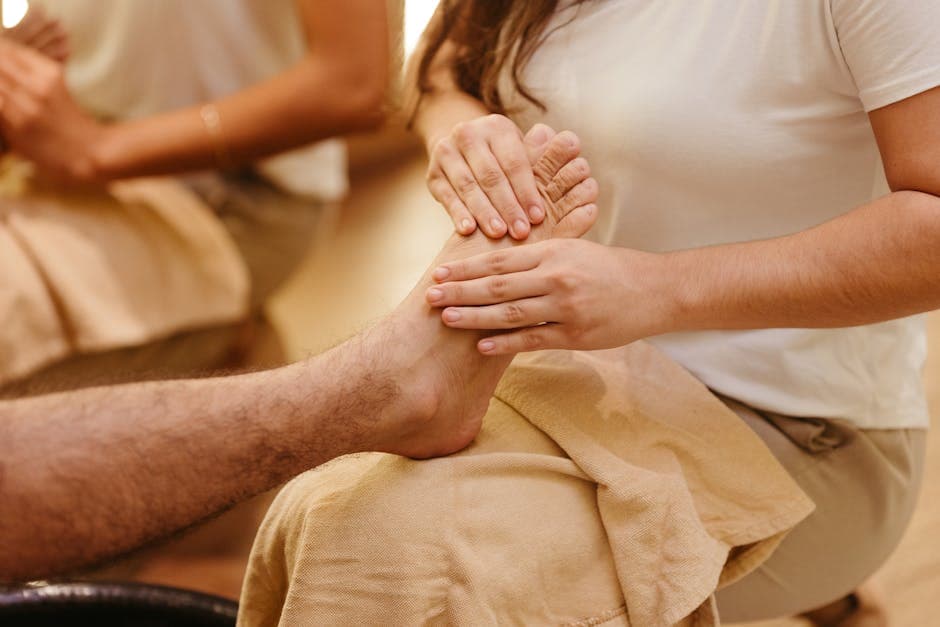
Your feet carry you through every corner of Nashik—from the ancient temples of Panchavati to the bustling markets of College Road, through vineyard tours in the surrounding hills and long workdays at the industrial estates. They deserve more than a quick wash at the end of the day. Reflexology foot massage offers something far deeper than relaxation: it's a therapeutic practice rooted in the principle that specific points on your feet correspond to every organ and system in your body.
In Nashik's wellness scene, reflexology has quietly gained a devoted following. Unlike standard foot massages that simply knead tired muscles, reflexology practitioners apply targeted pressure to reflex zones, aiming to restore balance and promote healing throughout your entire body. It's ancient wisdom meeting modern stress relief, and it's particularly relevant here where temperatures soar above 40°C in summer, causing swollen feet, and where long commutes leave legs aching.
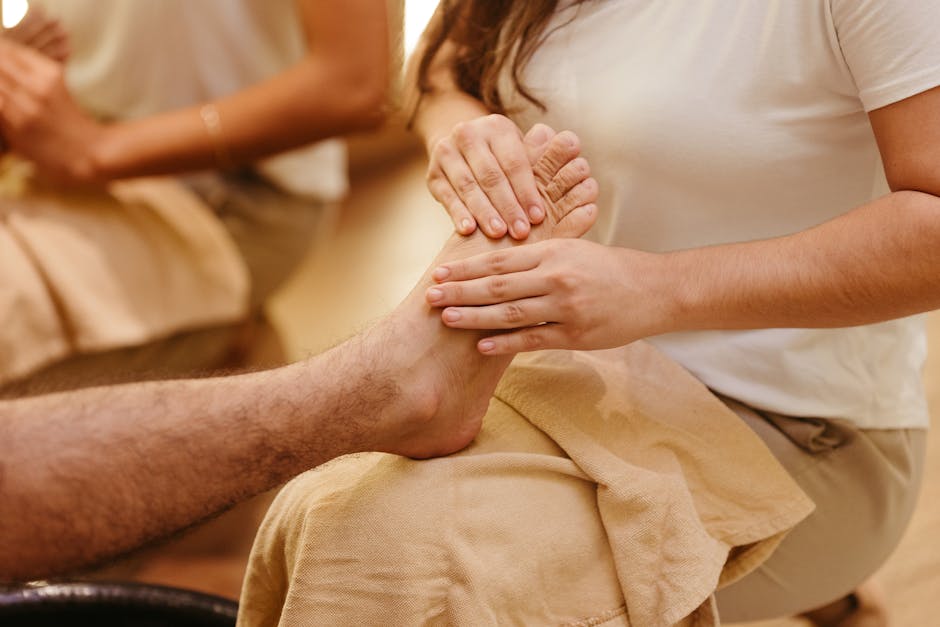
What Reflexology Foot Massage Actually Is
Let's clear up a common misconception right away. Reflexology isn't just a fancy word for foot massage. While both involve touching feet, that's where the similarity ends.
Reflexology follows a detailed map of the foot where specific zones correspond to different body parts. The tips of your toes relate to your head and sinuses. The ball of your foot connects to your chest and lungs. The arch corresponds to digestive organs, while the heel relates to your lower back and intestines. A trained reflexologist applies firm, targeted pressure using thumb and finger techniques to these zones, working systematically across both feet.
This practice has roots stretching back thousands of years to ancient Egypt, China, and India. In fact, traditional reflexology maps show remarkable similarities across these ancient civilizations. The modern Western approach was developed in the early 1900s, combining these traditional concepts with contemporary anatomical knowledge.
Here's what makes it different from that ₹200 foot massage you might get at the local salon: reflexologists undergo specialized training to understand these reflex points and apply precise pressure—not too light, not painfully hard, but therapeutically effective. The session follows a protocol, not just random kneading. You might feel sensitivity in certain areas, which practitioners interpret as blockages or imbalances in corresponding body systems.
Real Benefits You Can Actually Expect
The wellness industry loves making exaggerated claims. So let's be honest about what reflexology can and cannot do.
Can it cure cancer or diabetes? No. Should it replace medical treatment? Absolutely not. But can it provide genuine therapeutic benefits as a complementary practice? Yes, and the evidence is growing.
Most people in Nashik who regularly book reflexology sessions report sleeping better. Given our city's noise levels and heat that keeps you tossing at night, improved sleep quality alone makes it worthwhile. The deep relaxation triggered during a session helps calm an overactive nervous system.
Stress reduction is perhaps the most immediate benefit. The ritual itself—lying back, someone focused entirely on your wellbeing for 45-60 minutes—creates a mental break. Add the physiological effects of stimulating relaxation responses, and you've got a powerful stress management tool. Particularly valuable if you're juggling family responsibilities, work deadlines, or running a business in Nashik's competitive markets.
Improved circulation is another tangible benefit. When a skilled therapist works those reflex points, blood flow increases. Your feet might feel warmer during the session. For people who spend all day standing in shops or sitting at office desks, this circulation boost helps reduce that heavy, swollen feeling in legs and feet—a common complaint during Nashik's humid monsoon season.
Many regular clients swear by reflexology for managing chronic pain, particularly lower back pain and headaches. While the scientific research is still catching up to the anecdotal evidence, the mechanism makes sense: reducing muscle tension, improving circulation, and triggering endorphin release all contribute to pain relief.
Some practitioners in Nashik have noticed clients experiencing digestive improvements after regular sessions. The solar plexus point and intestinal reflex zones, when properly stimulated, may help with conditions like IBS or chronic constipation. Not a cure, but potentially helpful alongside proper diet and medical care.
What Your First Session Will Look Like
Walking into a Nashik spa for reflexology can feel intimidating if you've never tried it. Here's exactly what happens so you know what to expect.
First, you'll typically fill out a brief health questionnaire. This isn't bureaucracy—reflexologists need to know about conditions like pregnancy, foot injuries, recent surgeries, or circulatory disorders. These factors affect how they approach your treatment. Be honest about your health history.
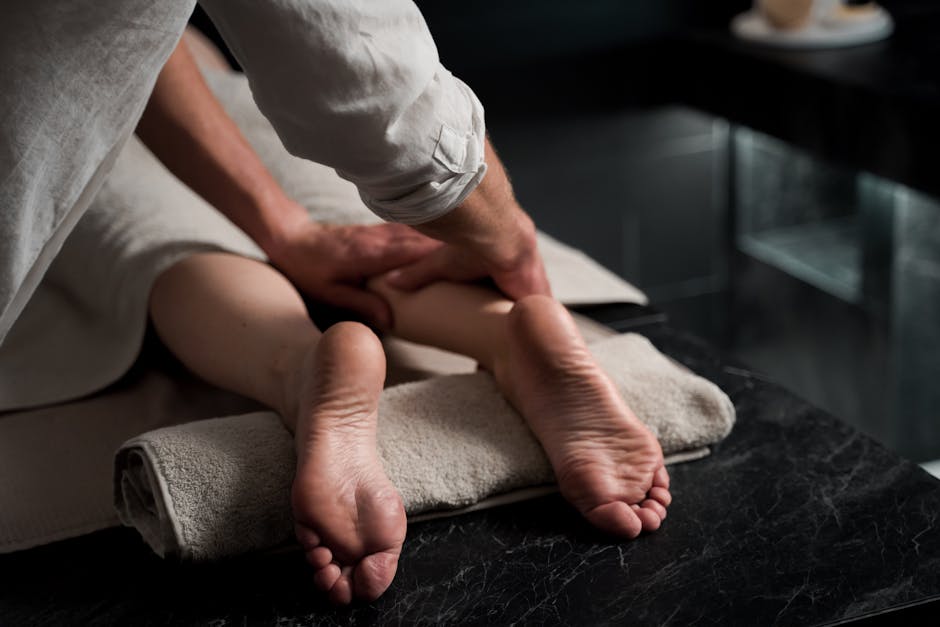
Most spas will have you sit in a comfortable reclining chair. You'll remove your shoes and socks, and the therapist will clean your feet—usually with warm water infused with essential oils or antiseptic solution. This initial foot bath serves both hygiene and relaxation purposes. Some upscale spas in Nashik include a brief exfoliation during this phase.
The actual reflexology session typically lasts 45-60 minutes. The therapist starts by applying a small amount of cream or oil—just enough to reduce friction, not so much that they can't apply firm pressure. They'll work through both feet systematically, spending extra time on areas that feel tender or grainy under their fingers. These sensitivity spots supposedly indicate imbalance in corresponding body systems.
How does it feel? Not quite like a relaxing massage. Some moments feel pleasantly soothing. Other points might feel surprisingly tender or even slightly painful—especially if you've got stress knots or the corresponding body area has issues. That discomfort shouldn't be unbearable though. Always communicate with your therapist if pressure feels too intense.
After the session, you might feel deeply relaxed, possibly even a bit drowsy. Some people experience mild detox symptoms—slight headache, increased thirst, or need to urinate more frequently. This is considered normal as your body processes released toxins. Drink plenty of water afterward.
Similar to lymphatic drainage massage treatments, the effects often become more noticeable over subsequent days as your body responds to the therapy. Many therapists recommend a series of sessions rather than one-offs for chronic issues.
Choosing the Right Reflexology Provider in Nashik
Not all foot massages marketed as "reflexology" in Nashik actually are. Some salons have simply rebranded basic foot massage to charge more. Here's how to find genuine, skilled practitioners.
Certification Matters
Ask about training credentials. Legitimate reflexologists have completed structured courses—often 100-200 hours of training covering anatomy, reflex point mapping, and hands-on technique. Many practitioners in India have certifications from recognized institutes or international reflexology associations. Don't be shy about asking where they trained.
Experience Speaks Volumes
A therapist who's performed thousands of sessions develops intuitive understanding that fresh graduates haven't yet acquired. They can read feet better, adjust pressure more skillfully, and recognize patterns linking foot sensitivity to health concerns. Look for practitioners with at least 2-3 years of focused reflexology experience.
Environment and Hygiene
Visit the spa before booking. The treatment room should be clean, peaceful, and climate-controlled—important in Nashik where power cuts can make rooms unbearably hot. Check whether they use clean towels for each client and properly sanitize foot basins. These details reflect professional standards throughout the practice.
Consultation Approach
Professional reflexologists take time to understand your health concerns before starting. They'll ask questions about your lifestyle, stress levels, sleep patterns, and any chronic conditions. If someone rushes straight to rubbing your feet without any consultation, that's a red flag.
Realistic Pricing in Nashik
Expect to pay ₹600-₹1,200 for a quality 60-minute reflexology session in Nashik. Prices below ₹500 often indicate it's just a basic foot massage, not true reflexology. Premium spas might charge ₹1,500-₹2,000, especially if they include additional amenities like specialized foot baths or extended consultation. Package deals typically offer better value—many spas provide 5-6 sessions for the price of 4-5.
Just as with professional pedicure services, paying slightly more for experienced practitioners usually proves worthwhile. Your feet—and by extension, your entire wellbeing—deserve skilled care.
Location Considerations
Nashik's traffic can be challenging, especially during peak hours. Consider choosing a spa that's reasonably accessible from your home or workplace. The stress of fighting through Gangapur Road traffic undermines the relaxation you're seeking. Several good reflexology practitioners operate in areas like Pathardi Phata, Indira Nagar, and the satellite areas that are easier to reach depending on where you live.
Who Should (and Shouldn't) Try Reflexology
Reflexology works wonderfully for most people but isn't appropriate for everyone.
It's particularly beneficial if you're dealing with stress-related issues, have trouble sleeping, experience frequent headaches, or work in physically demanding jobs. Office workers who spend long hours at desks, teachers who stand all day, and sales professionals constantly on their feet all report significant relief from regular sessions.
However, you should avoid reflexology or consult your doctor first if you have:
- Active foot infections, wounds, or fungal conditions
- Deep vein thrombosis or blood clots
- Recent foot or ankle injuries
- Severe osteoporosis
- Active cancer (though some oncologists approve it as supportive care)
- Pregnancy complications (though prenatal massage therapy might be appropriate under proper guidance)
When in doubt, ask both your doctor and the reflexologist. Reputable practitioners will refuse treatment if they believe it might harm you—that's professional integrity.
Frequently Asked Questions
How often should I get reflexology foot massage?
For general wellness and stress management, once every two weeks to monthly works well. If you're addressing specific health concerns—chronic pain, severe stress, or sleep disorders—weekly sessions for 4-6 weeks followed by maintenance every two weeks shows better results. Listen to your body and your practitioner's recommendations. More isn't always better; your system needs time to respond between sessions.
Is reflexology painful?
Most of the session feels pleasantly firm, not painful. However, some reflex points may feel tender, especially those corresponding to areas where you have health issues or stress. Think of it as "good pain"—uncomfortable but therapeutic. The sensation shouldn't be unbearable. Always communicate with your therapist if pressure feels too intense. Sensitivity typically decreases with regular sessions as balance improves.
Can reflexology really detoxify my body?
The "detox" concept is somewhat overstated in wellness marketing. Your liver and kidneys handle detoxification quite effectively on their own. However, reflexology may support these natural processes by improving circulation and lymphatic drainage, helping your body's existing detox systems work more efficiently. You might feel encouraged to drink more water and make healthier choices after sessions, which certainly helps. Just don't expect it to undo years of poor lifestyle choices in one session.
How is reflexology different from a regular foot massage?
Regular foot massage focuses on manipulating muscles and soft tissues for relaxation and pain relief—it feels good and helps tired feet. Reflexology uses specific pressure techniques on mapped reflex points believed to correspond with organs and systems throughout your body. It's more systematic and therapeutic in approach. Both have value, but they're fundamentally different practices with different goals. A good reflexologist can incorporate relaxing massage strokes between reflex point work, giving you benefits of both.
What should I do after a reflexology session?
Drink plenty of water—at least 2-3 glasses in the hours following treatment. This helps flush out any released toxins and keeps you hydrated. Avoid alcohol for at least 12 hours as your body is in a detox mode. Don't plan strenuous activities immediately after; give yourself time to rest and let the benefits settle in. Some people schedule sessions in the evening so they can go home and relax. You might sleep particularly well that night—embrace it!
Making Reflexology Part of Your Wellness Routine
Nashik's growing wellness culture means you have more quality reflexology options than ever before. The key is approaching it with realistic expectations and commitment.
One session feels wonderful and provides immediate stress relief. But reflexology's deeper benefits—improved sleep patterns, better stress management, reduced chronic pain—accumulate over time with regular practice. Think of it like exercise or meditation: consistency matters more than intensity.
Start with a reputable practitioner who takes time to understand your specific needs. Give yourself at least 3-4 sessions before judging whether it's working for you. Keep notes about how you feel in the days following each session—patterns often emerge that aren't immediately obvious.
Your feet literally support everything you do. In a city like Nashik where life moves fast, where summer heat drains energy, where traffic tests patience daily, taking an hour to care for your feet through skilled reflexology isn't indulgence. It's intelligent self-maintenance. Your body communicates through your feet—perhaps it's time to start listening.