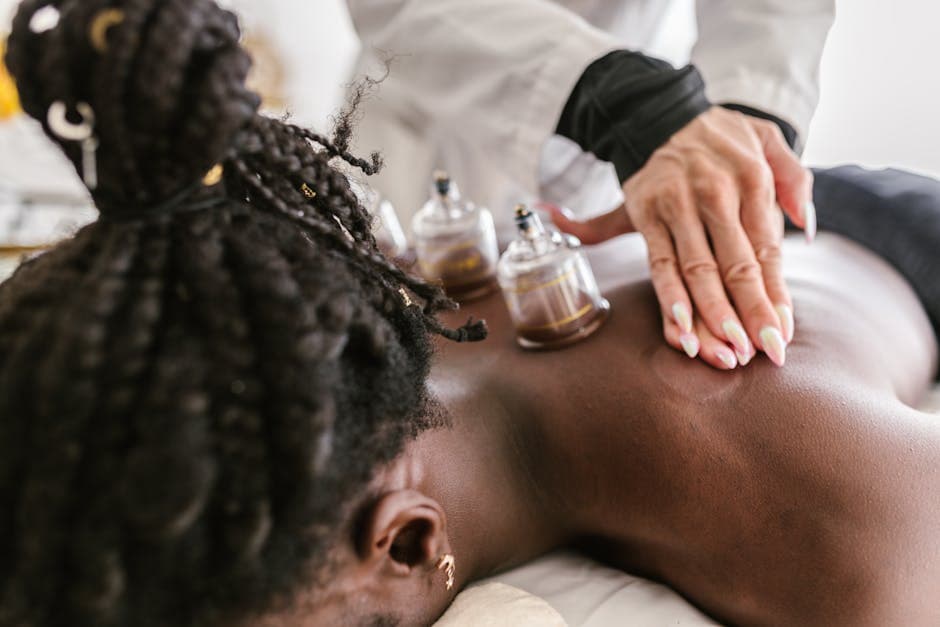
Walk into most spas in Nashik these days, and you'll spot those distinctive round marks on someone's back or shoulders. That's the telltale sign of cupping therapy—an ancient healing practice that's experiencing a serious renaissance in our city. I've seen everyone from stressed-out IT professionals in Indira Nagar to athletes training at local gyms embrace this therapy, and for good reason. It works.
Cupping therapy isn't new—it's been practiced for thousands of years across Chinese, Egyptian, and Middle Eastern cultures. But what makes it particularly relevant for Nashik residents? Our climate, our lifestyle, and honestly, the physical toll that city life takes on our bodies. Between navigating Nashik's traffic, sitting at desks for hours, and dealing with the seasonal temperature swings, our muscles hold tension like nobody's business.

What Exactly Is Cupping Therapy Massage?
Here's the straightforward explanation: cupping therapy involves placing special cups on your skin to create suction. Think of it as a reverse massage. Instead of applying pressure downward, the suction pulls your skin and underlying tissue upward. This pulling action increases blood flow to the targeted area, releases muscle tension, and helps your body's natural healing processes kick into high gear.
The cups themselves can be made from glass, bamboo, or silicone. Most spas in Nashik use either glass cups with fire (traditional method) or modern silicone cups with manual pumps. The fire method looks dramatic—therapists briefly heat the inside of glass cups with a flame before placing them on your skin—but don't worry, it's completely safe when done by trained professionals.
There are two main techniques you'll encounter:
- Dry cupping: Cups are placed on your skin and left stationary for 5-10 minutes
- Moving cupping: After applying massage oil, cups glide across your skin, combining suction with massage movements
Some practitioners also offer wet cupping (hijama), which involves controlled medicinal bleeding, though this is less common in mainstream spas and typically requires specialized certification.
Real Benefits You'll Actually Notice
Let me be direct about this: cupping isn't a miracle cure for everything. But for specific issues, it delivers results that you can feel within days.
The most immediate benefit? Pain relief. I've spoken with dozens of people who've tried cupping for chronic back pain, neck stiffness, and shoulder tension—the kind that comes from poor posture or repetitive movements. The majority report significant improvement after just two or three sessions. The suction literally pulls tight fascia away from muscles, creating space for better movement and blood circulation.
For anyone dealing with sports injuries or muscle strains, cupping accelerates recovery. Local gym-goers and athletes have caught on to this. The increased blood flow brings oxygen and nutrients to damaged tissue while helping remove metabolic waste products that slow healing.
Here are the benefits backed by both traditional wisdom and modern research:
- Reduces muscle tension and stiffness, particularly in the back, shoulders, and neck
- Improves circulation and promotes faster healing of soft tissue injuries
- Alleviates pain from conditions like cervical spondylosis and frozen shoulder
- Helps with respiratory issues by loosening chest congestion (especially useful during Nashik's monsoon season)
- Reduces inflammation and promotes lymphatic drainage
- Provides deep relaxation and stress relief—your nervous system literally calms down
The relaxation component shouldn't be underestimated. Unlike some spa treatments that feel passive, cupping creates a unique sensation that demands your attention. You become acutely aware of your body, which somehow makes it easier to let go of mental stress.

What Your First Session Will Actually Be Like
Nervous about trying cupping? Totally normal. Here's what happens so you can walk in confident.
Your therapist should start with a consultation. They'll ask about your medical history, current health concerns, and what you're hoping to achieve. Be honest here—mention if you're on blood thinners, have skin conditions, or are pregnant. These are important contraindications.
You'll lie down on a comfortable massage table, usually face down if they're working on your back. The room should be warm—most good spas in Nashik maintain proper temperature control, which matters because you'll have your skin exposed.
When the cups go on, expect a tight pulling sensation. It's not painful, but it's definitely noticeable. Some people find it uncomfortable for the first minute, then their body adjusts. The sensation has been described as "a good stretch from the inside" or "like a really deep tissue massage in reverse."
For stationary cupping, cups typically stay in place for 5-10 minutes. You might feel the suction intensify slightly as your skin swells into the cup—this is normal. For moving cupping, your therapist will apply oil first, then glide the cups across your muscles. This feels more like a traditional massage with added suction.
Here's what nobody tells you: you will have circular marks afterward. These aren't bruises (though they look similar). They're caused by blood being drawn to the surface and typically last 3-7 days. The darker the mark, supposedly the more stagnation was in that area. Plan accordingly if you have events where you'll be wearing backless clothing.
Most sessions last 30-45 minutes for a focused area, or up to 60 minutes for full-body treatment. Prices in Nashik typically range from ₹800-₹2000 depending on the spa's location and expertise level.
Choosing the Right Cupping Therapy Provider in Nashik
Not all cupping is created equal. The difference between a mediocre session and an effective one comes down to the therapist's training and the spa's hygiene standards.
First, verify that your therapist has proper certification in cupping therapy. This isn't something you can learn from a weekend workshop. Reputable practitioners should have completed courses from recognized institutions and ideally have experience in therapeutic massage or physiotherapy. Don't hesitate to ask about their training—good therapists are proud to share their credentials.
Hygiene is non-negotiable. The spa should use either disposable cups or thoroughly sterilize reusable ones between clients. You should see them clean cups before your treatment or open new ones from packaging. The treatment room should be immaculate, and fresh linens should be used for every client.
Location matters less than you'd think, but accessibility is convenient. Whether you're near College Road, Gangapur Road, or the Nashville area, focus on the spa's reputation rather than just proximity. Read reviews, but read them critically—look for specific mentions of professionalism, cleanliness, and results rather than just "nice ambiance."
Ask these questions during your initial consultation:
- What type of cupping do you specialize in?
- How many cupping sessions have you personally performed?
- What conditions do you have the most success treating?
- How do you customize treatment for individual needs?
- What's your protocol if I feel discomfort during the session?
Price can be an indicator, but not always. The ₹500 cupping session might be perfectly fine, or it might be rushed and ineffective. The ₹3000 session might be worth every rupee, or you might be paying for fancy décor rather than expertise. Expect to pay around ₹1200-₹1500 for a quality 45-minute session at a reputable Nashik spa.
If you're already exploring other wellness treatments, cupping pairs well with services like body scrub treatments or even Balinese massage, though schedule them on different days to avoid overstimulating your muscles.

Frequently Asked Questions About Cupping Therapy
Does cupping therapy actually hurt?
Honest answer: it's uncomfortable but not painful for most people. The suction creates a strong pulling sensation that can feel intense, especially during your first session. As your body adapts, subsequent sessions typically feel less intense. If you experience actual pain—sharp, burning, or unbearable sensations—tell your therapist immediately. They can adjust the suction level. The marks left behind look worse than they feel; they're typically not tender to touch.
How many sessions do I need to see results?
This depends entirely on what you're treating. For acute muscle pain or a recent injury, you might notice significant relief after just one or two sessions. For chronic conditions like persistent back pain or recurring tension headaches, plan for a series of 4-6 sessions spaced a week apart. Many people then maintain results with monthly sessions. Don't expect instant miracles, but do expect to feel something shift after your first proper treatment.
Can I do cupping therapy during Nashik's summer heat?
Yes, but timing matters. The treatment itself can leave you feeling slightly dehydrated, so schedule sessions during cooler parts of the day—early morning or evening. Drink extra water before and after. The marks may appear darker during summer months due to increased blood circulation from heat. Avoid direct sun exposure on treated areas immediately after your session. Monsoon season is actually ideal for cupping, especially if you're dealing with respiratory congestion.
Are the circular marks permanent?
No. The marks typically fade within 3-10 days, depending on your skin type and how much suction was used. First-timers often have darker marks that take longer to disappear. With regular cupping, the marks tend to become lighter and fade faster as your circulation improves and tissue releases tension more easily. If you have an important event coming up, schedule your cupping at least 10 days in advance to be safe.
Who should avoid cupping therapy?
Skip cupping if you're pregnant, have a bleeding disorder, take blood thinners, or have active skin infections or open wounds. People with severe cardiovascular conditions, recent surgery sites, or fractures should avoid treated areas. If you have thin or fragile skin (common in older adults or those on certain medications), inform your therapist—they can adjust the suction intensity. When in doubt, consult your doctor first, especially if you have any chronic health conditions.
Making Cupping Work for Your Wellness Routine
Cupping therapy has earned its place in Nashik's wellness landscape because it delivers tangible results for common problems—chronic pain, muscle tension, stress, and recovery support. It's not a replacement for medical treatment when you need it, but it's an excellent complementary therapy that addresses issues conventional approaches sometimes miss.
The key is finding a qualified practitioner who takes time to understand your specific needs rather than applying a one-size-fits-all approach. Start with a single session to see how your body responds. Pay attention to how you feel in the days following treatment—many people report improved sleep, reduced pain, and better range of motion.
Combine cupping with other self-care practices for best results. Stay hydrated, maintain gentle movement (walking is excellent), and give your body time to respond to the treatment. If you're working on overall wellness and stress reduction, consider exploring complementary treatments like a couples massage package with your partner or regular maintenance sessions every few weeks.
Your body is sending you signals through pain and tension. Cupping therapy is one way to actually listen and respond. For many Nashik residents dealing with the physical demands of modern life, those distinctive circular marks have become badges of self-care—visible proof that they're taking their health seriously.